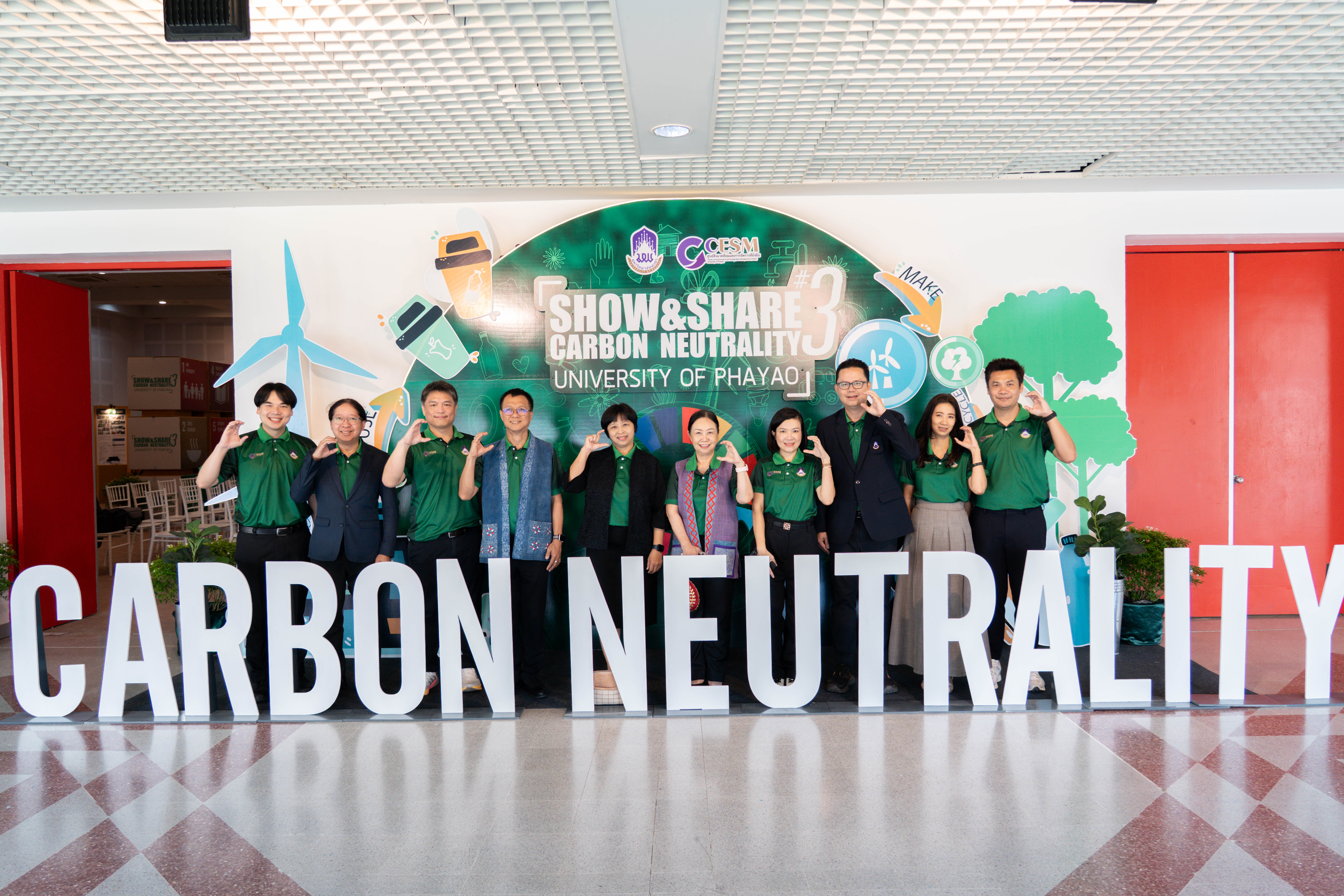
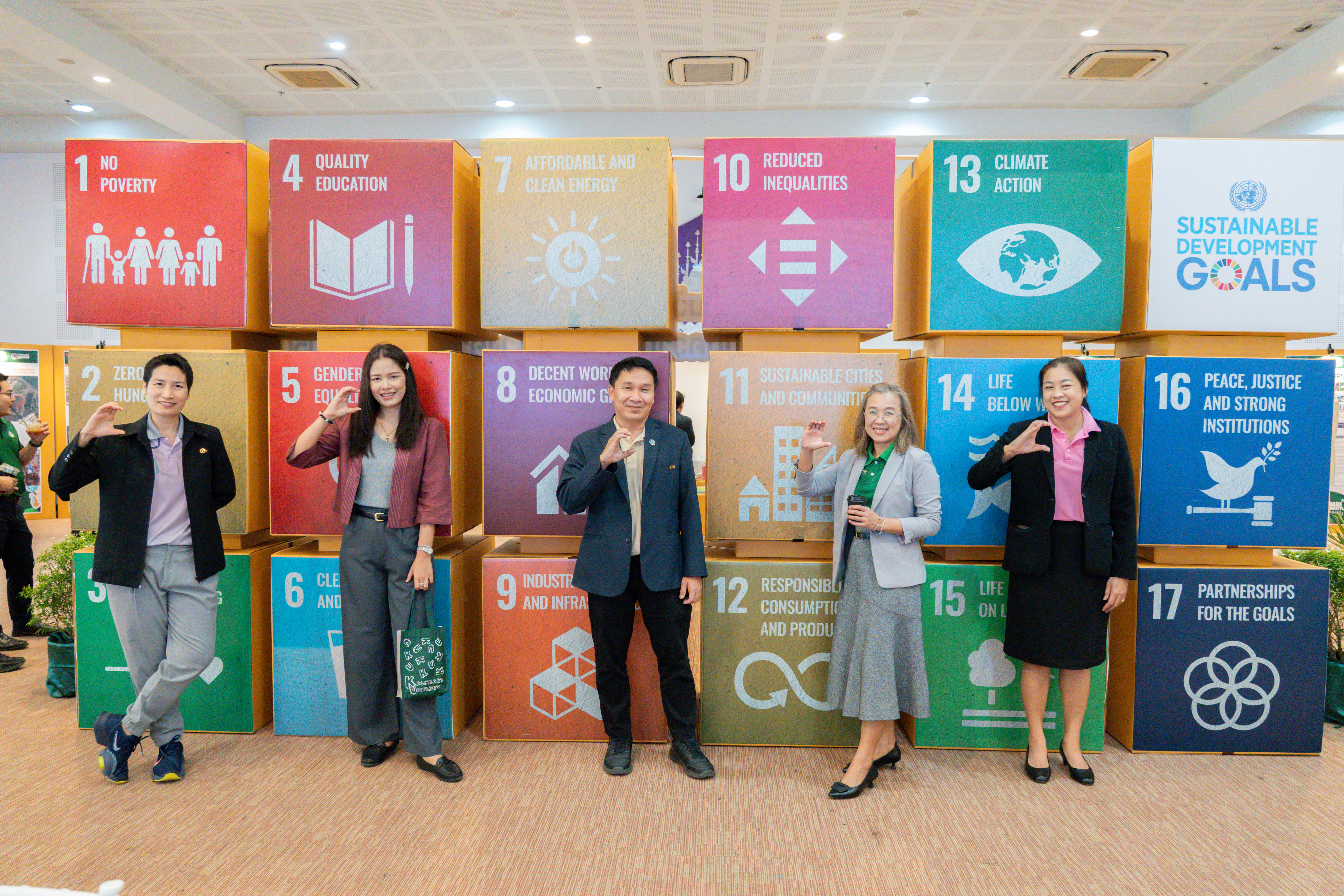
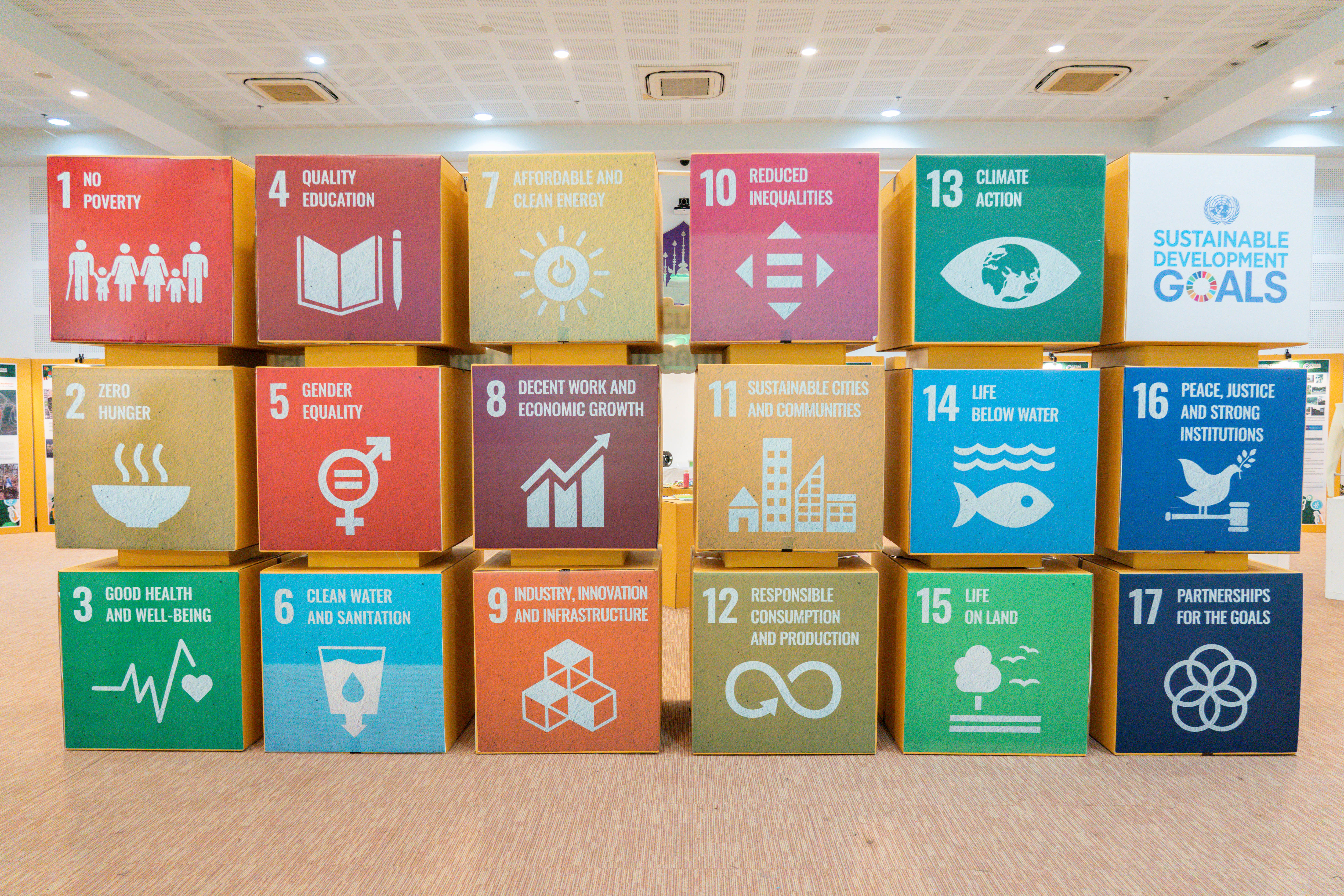
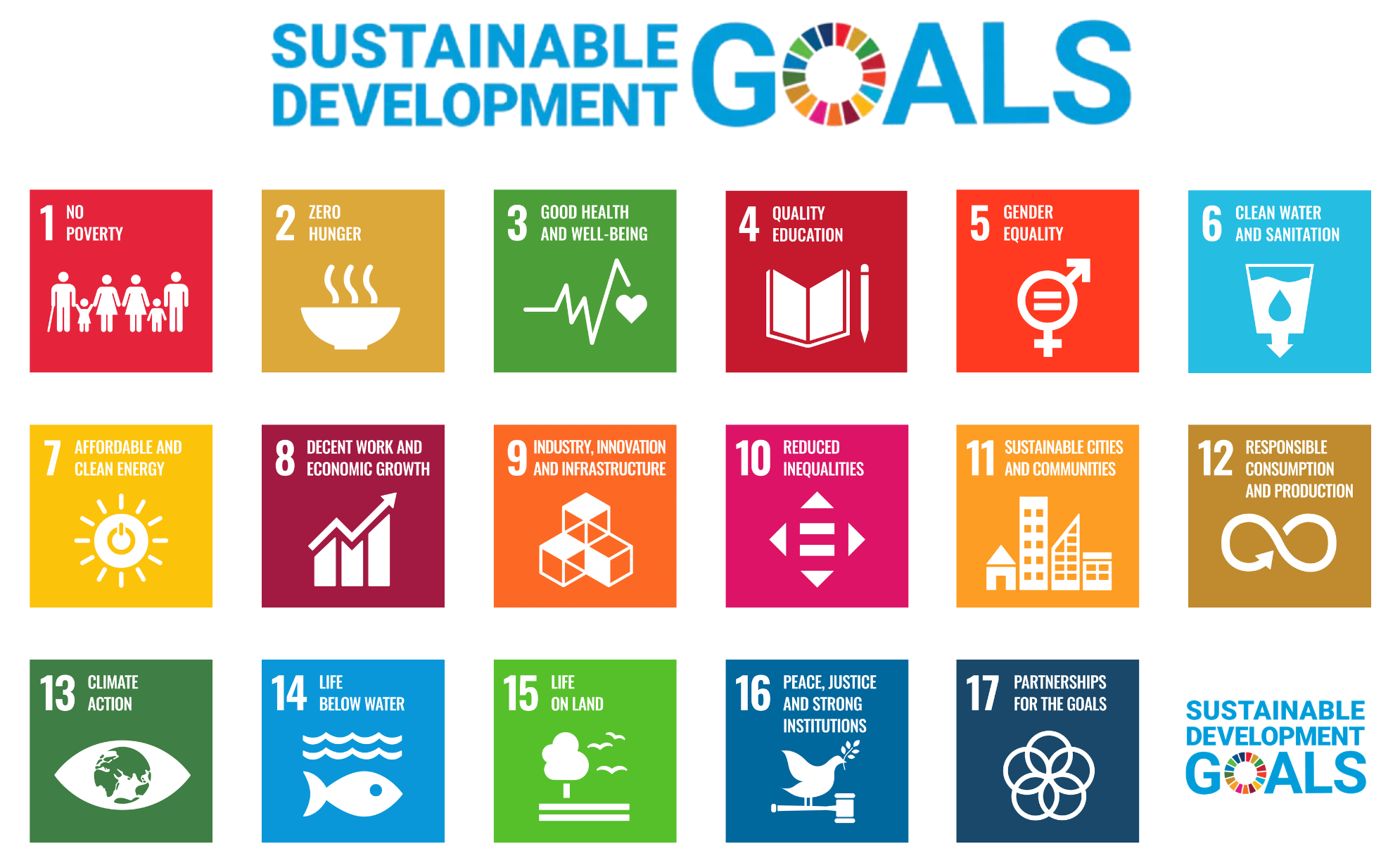
 University of Phayao (UP) is committed to becoming a sustainable university by integrating all 17 United Nations Sustainable Development Goals (SDGs) into its core mission, encompassing teaching and learning, research, academic services, and institutional management across every dimension of university life.
UP, through its Research Administration Division, has organized activities under the theme "University of Phayao and Its Role in Sustainable Development toward the 17 SDGs" with the aim of promoting understanding of the Sustainable Development Goals, building awareness, and creating meaningful connections between sustainable development, education, and research, reinforcing UP’s role in supporting and integrating teaching, research, and academic services for effective sustainable development.
UP's Planning Division has aligned the university's strategic plan with the Sustainable Development Goals (SDGs), gathering input and perspectives to adapt the plan to the university's specific context and priorities.
UP has also participated in the THE Impact Ranking by Times Higher Education, an evaluation of universities that carry out missions for society and community in accordance with the United Nations' Sustainable Development Goals since 2019, covering SDGs ranging from no poverty and clean water and sanitation to affordable and clean energy.
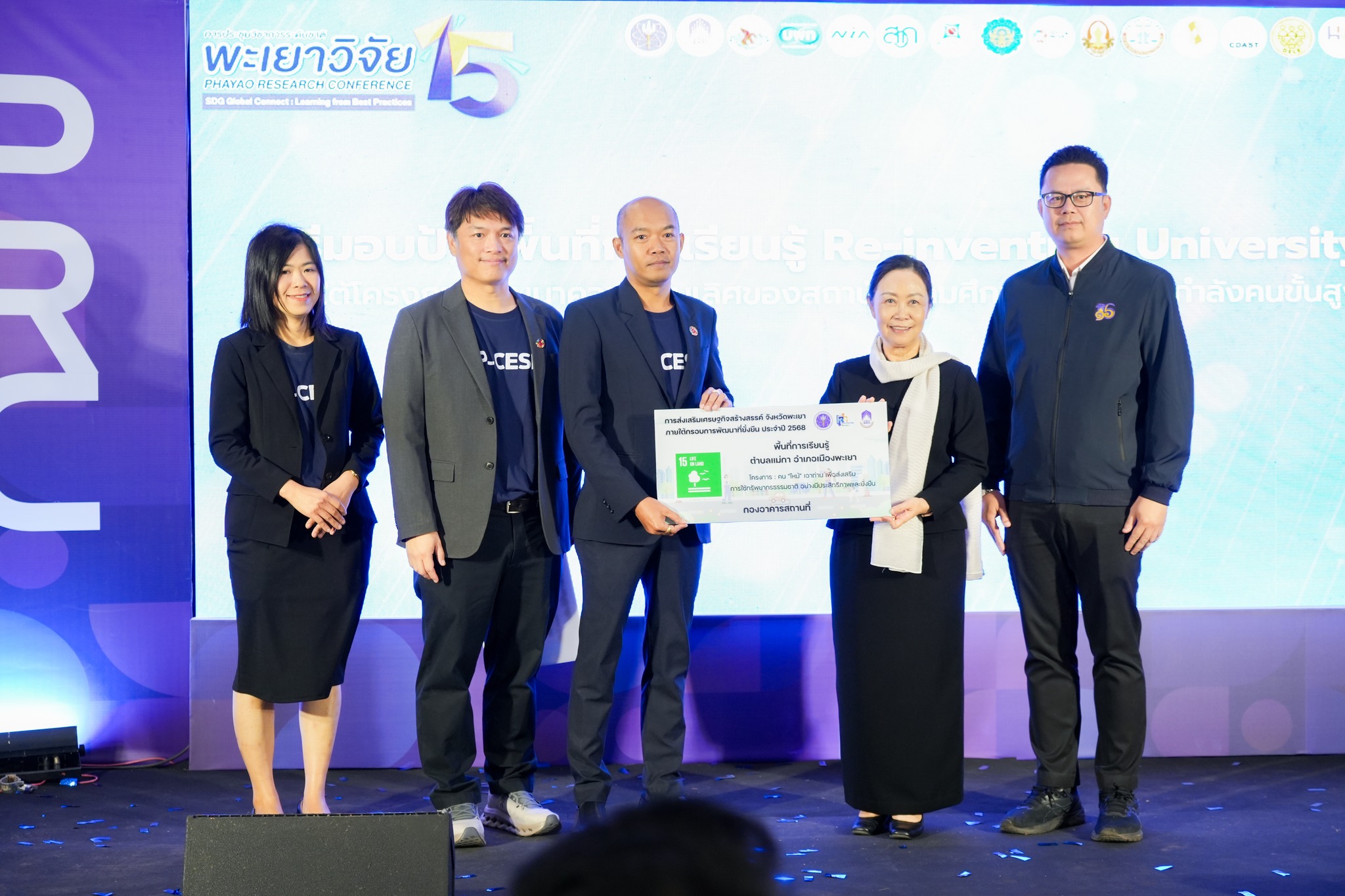
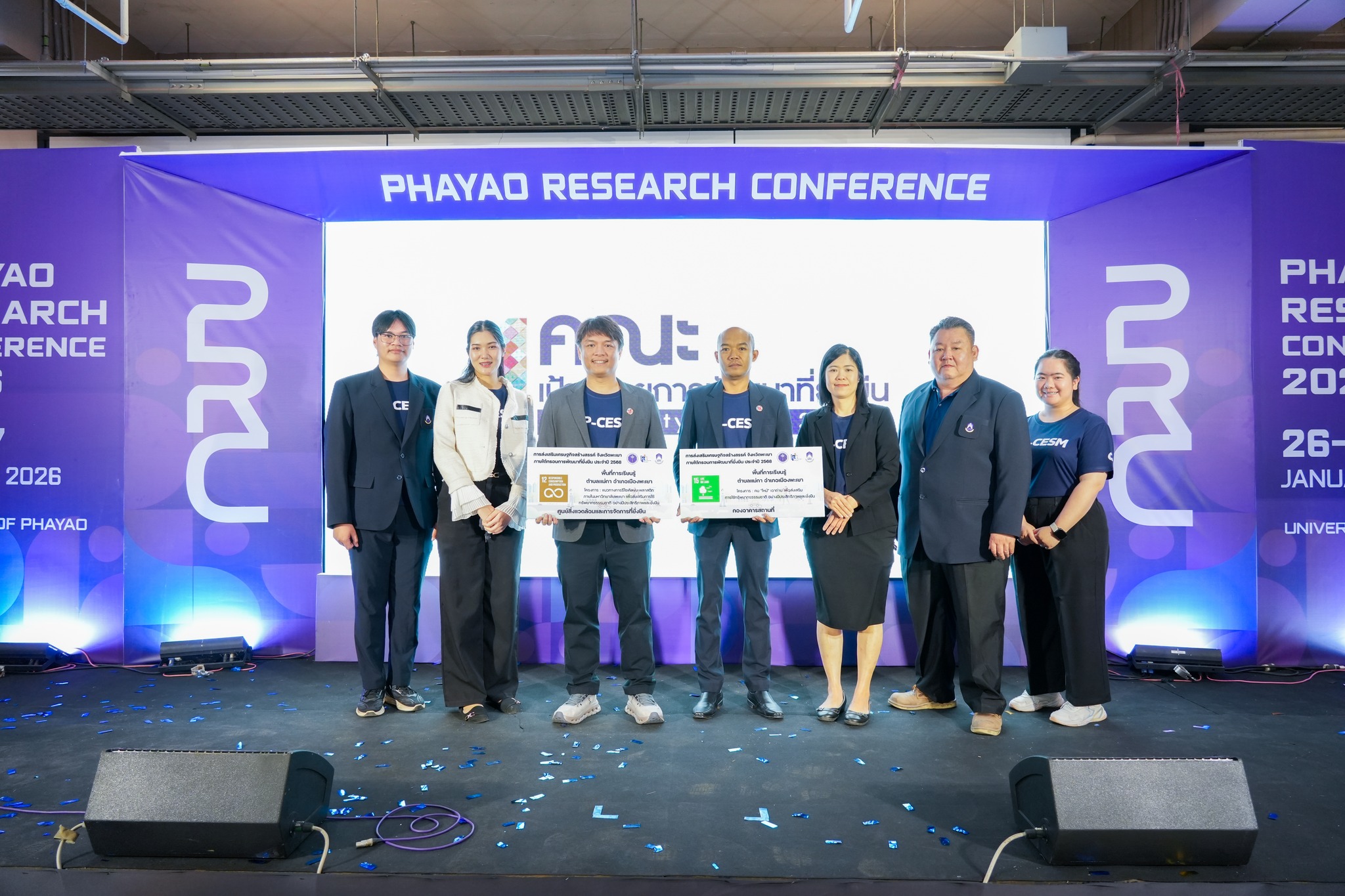
1. Education & Research
Integrating the SDGs into curricula, promoting research with measurable community and environmental impact, and developing students as agents of sustainable change.
- Embedding sustainability themes across undergraduate and postgraduate programmes
- Supporting faculty-led research aligned with the 17 SDGs
- Developing students as sustainability leaders and change agents
Transferring sustainability knowledge to communities in Phayao Province and the wider region, supporting sustainable agriculture, environmental stewardship, and community health.
- Providing technical expertise and knowledge to local communities and government agencies
- Supporting sustainable agriculture and natural resource management in the northern region
- Promoting community health and well-being through outreach programmes
Implementing Green Campus policies to reduce greenhouse gas emissions, conserve energy, manage waste responsibly, and promote low-carbon transportation across campus.
- Reducing campus carbon emissions through renewable energy and energy-saving measures
- Managing waste through recycling programmes and reduction of single-use plastics
- Promoting walking, cycling, and low-emission transport options across campus
Building partnerships with government, private sector, and local communities to drive sustainable development at local, national, and international levels.
- Collaborating with public and private sector partners on sustainability initiatives
- Engaging local communities in co-creating solutions for regional challenges
- Contributing to national and international sustainability networks and rankings