Energy and Climate Change in the Sustainable Development Goals (University of Phayao, Thailand)
Energy and Climate Change in the Sustainable Development Goals (University of Phayao, Thailand)
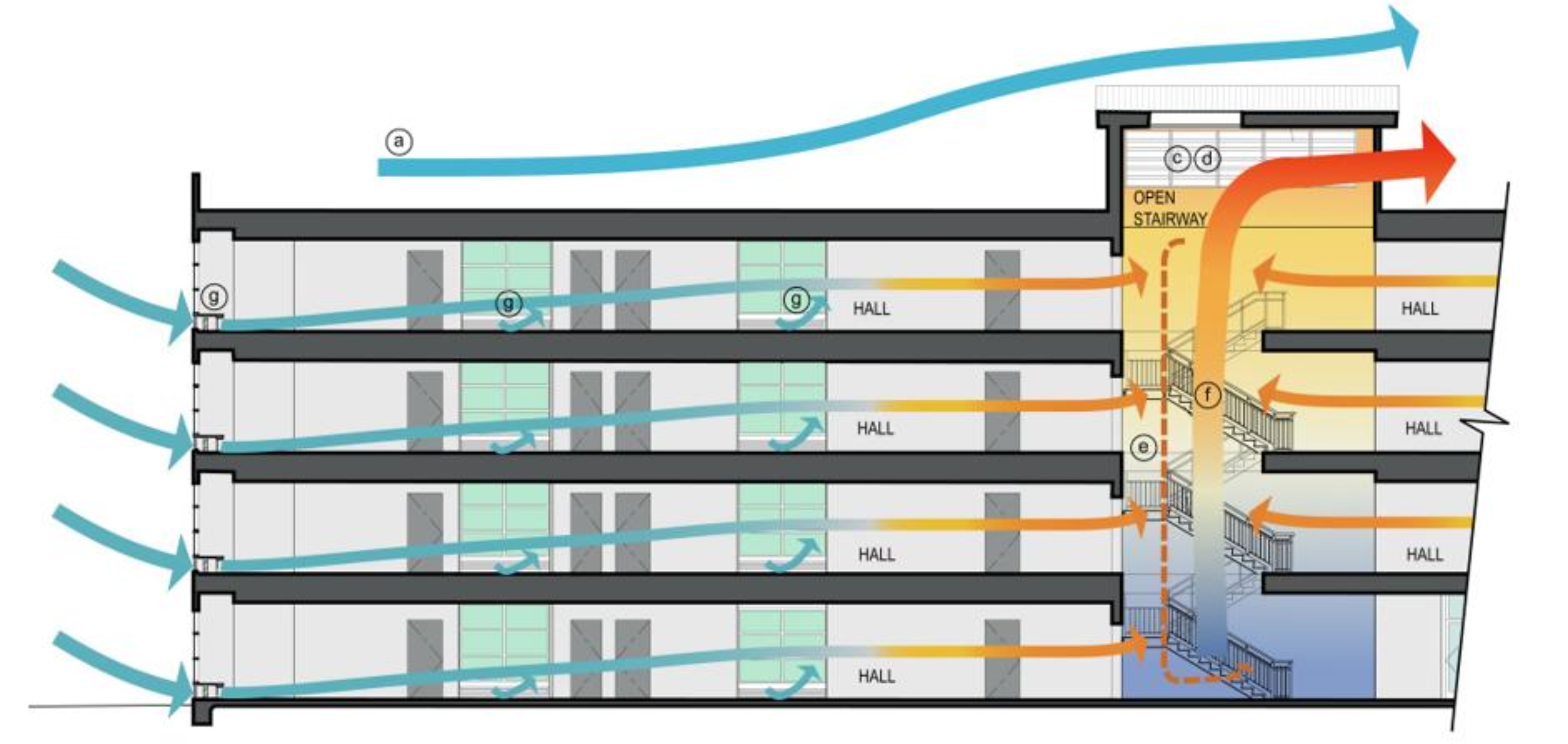
University of Phayao has comprehensively leveraged its Energy and Climate Change programs to champion and catalyze progress across 16 United Nations Sustainable Development Goals (SDGs), translating institutional carbon targets into holistic social, economic, and environmental impacts.Central to University of Phayao's sustainability roadmap is its proactive commitment to achieve Carbon Neutrality by 2050 (SDG 13, SDG 16). In 2026, the university demonstrated significant operational excellence, achieving a 96.38% adoption rate of energy-efficient appliances (SDG 12) and transforming 95.65% of its total built footprint (523,580 m²) into eco-responsive Smart Buildings governed by interconnected BMS, BAS, and BIM infrastructures (SDG 9, SDG 11). These facilities are integrated with localized air monitoring towers (Fahsai 2) and classroom sensors for VOCs, PM2.5, and CO2, strictly safeguarding occupant health and institutional well-being (SDG 3).
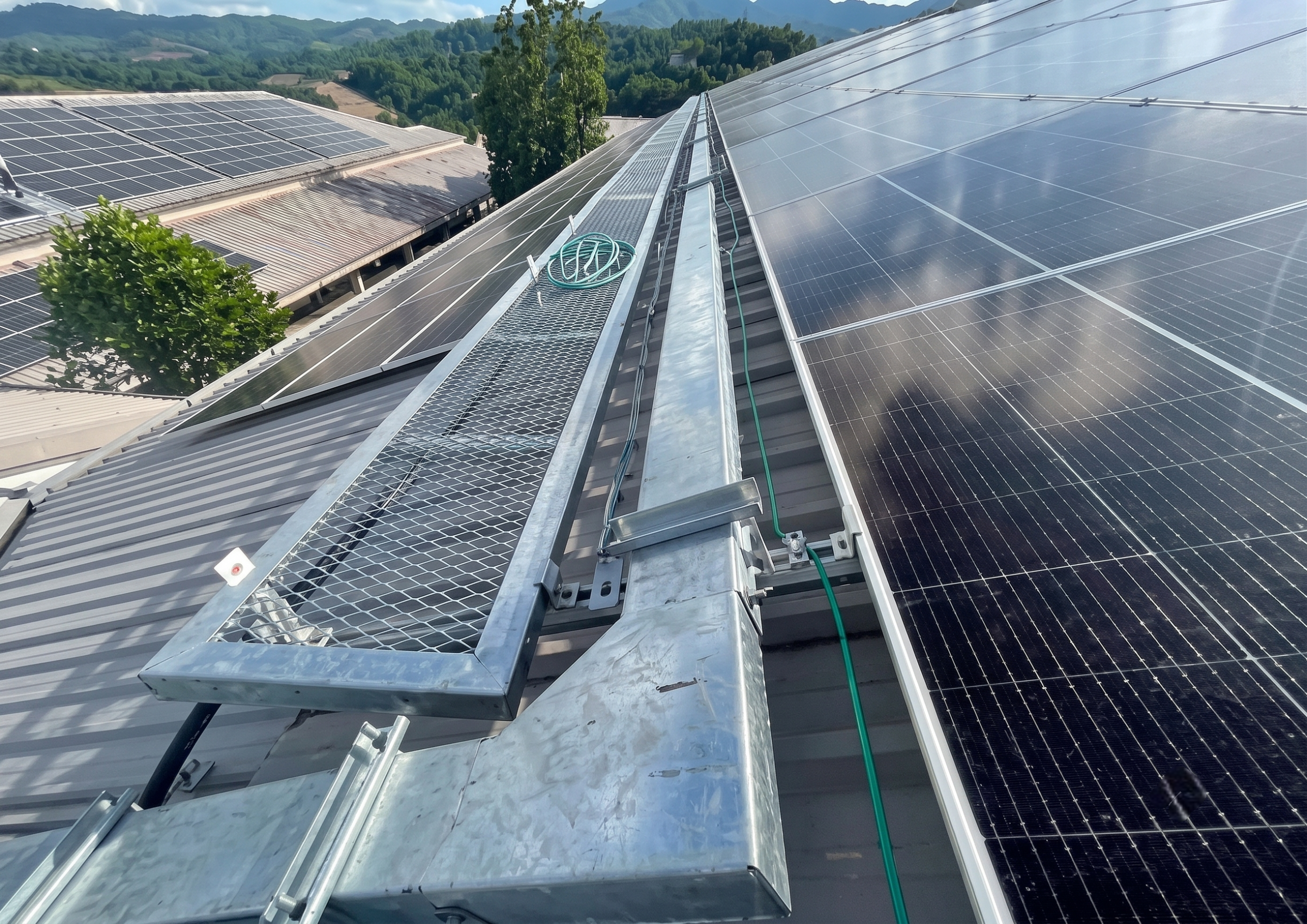
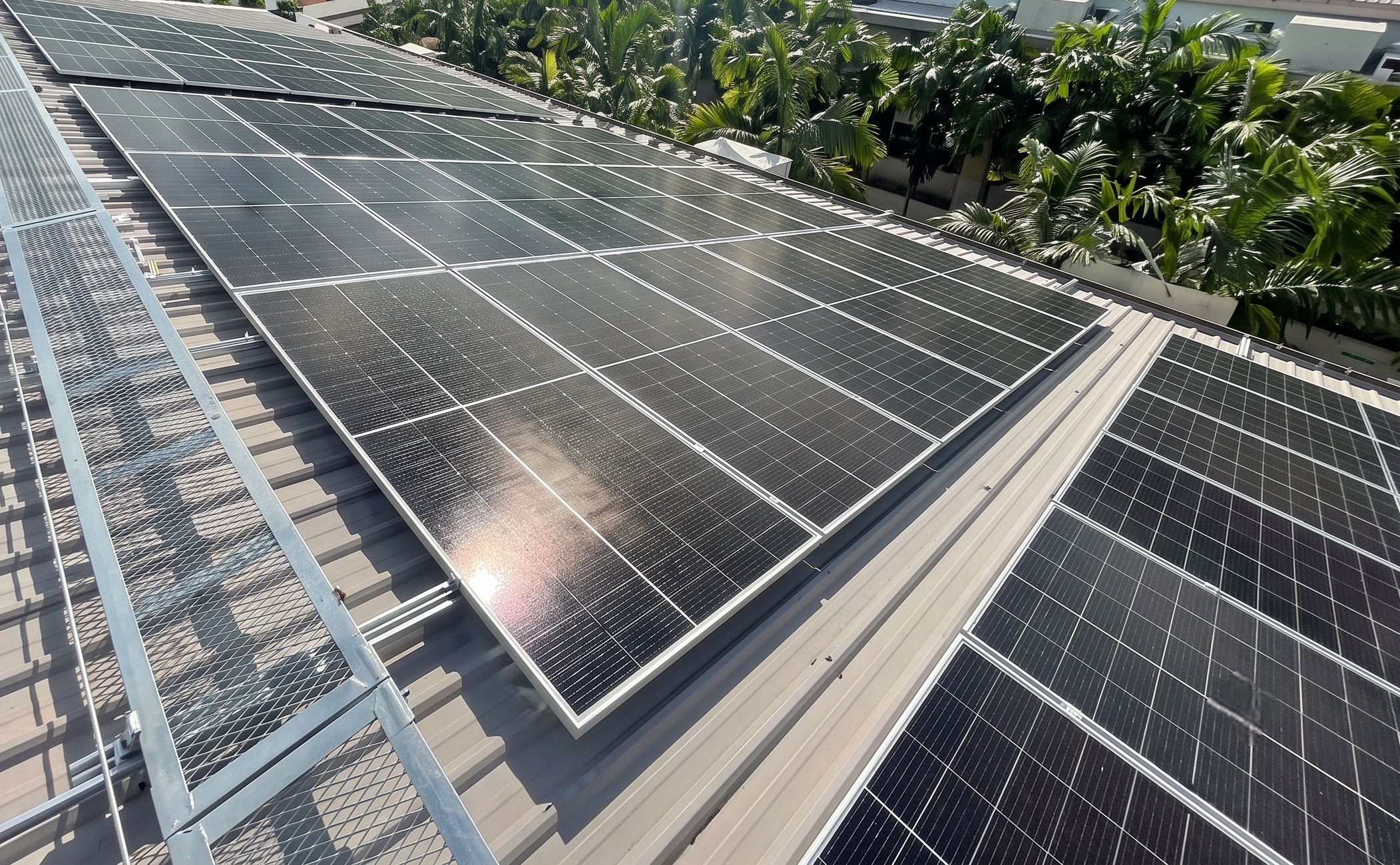
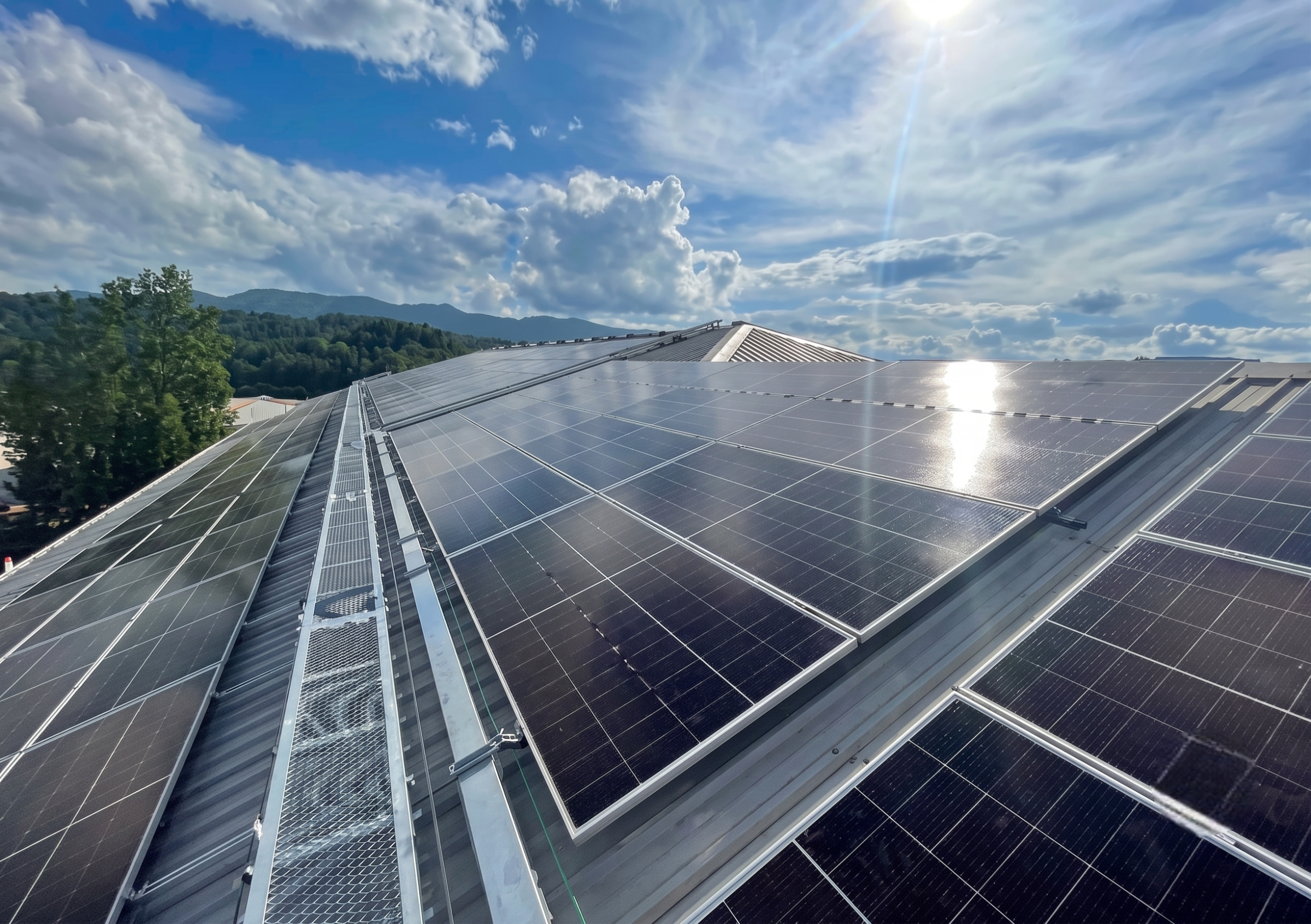
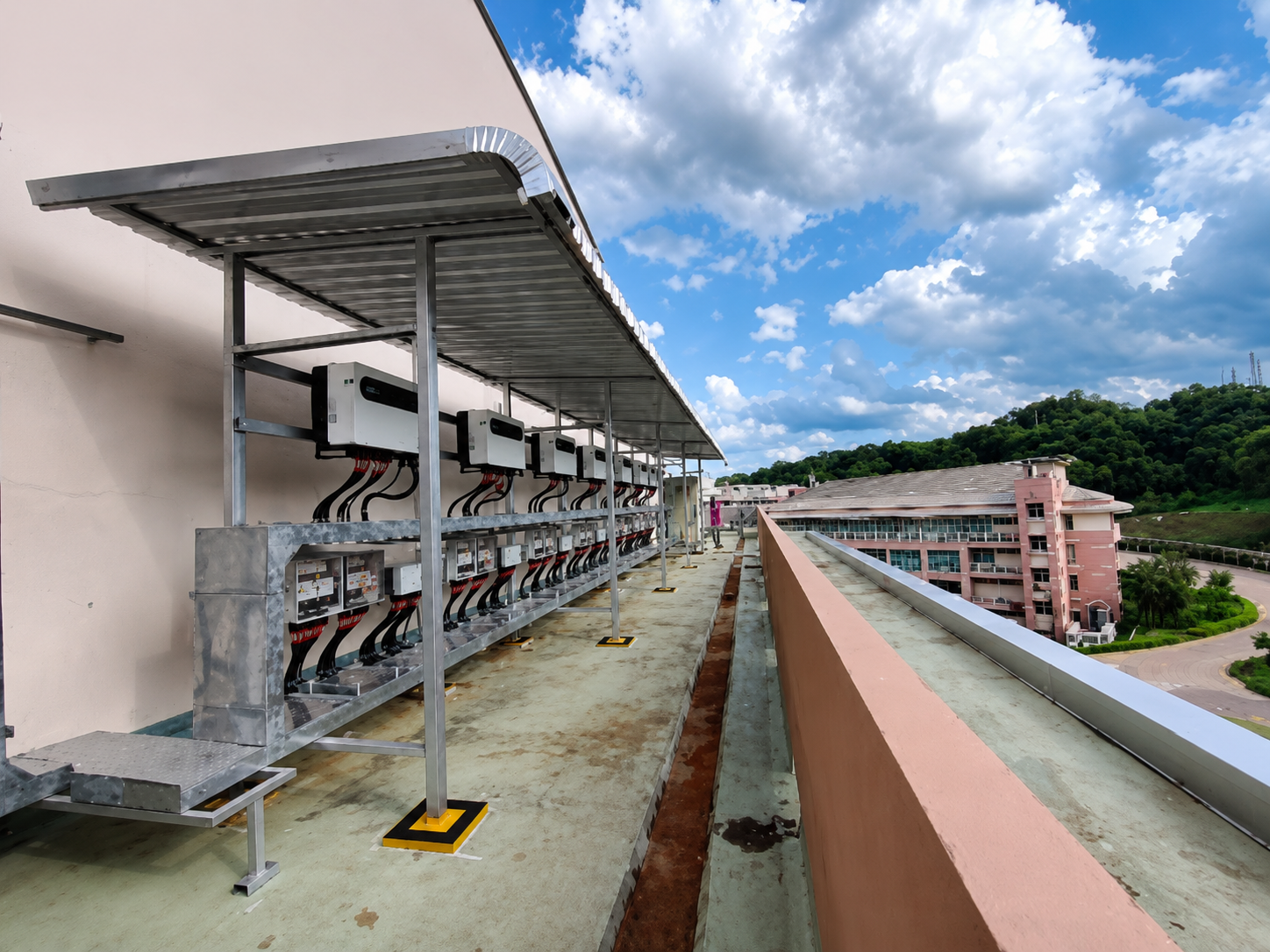
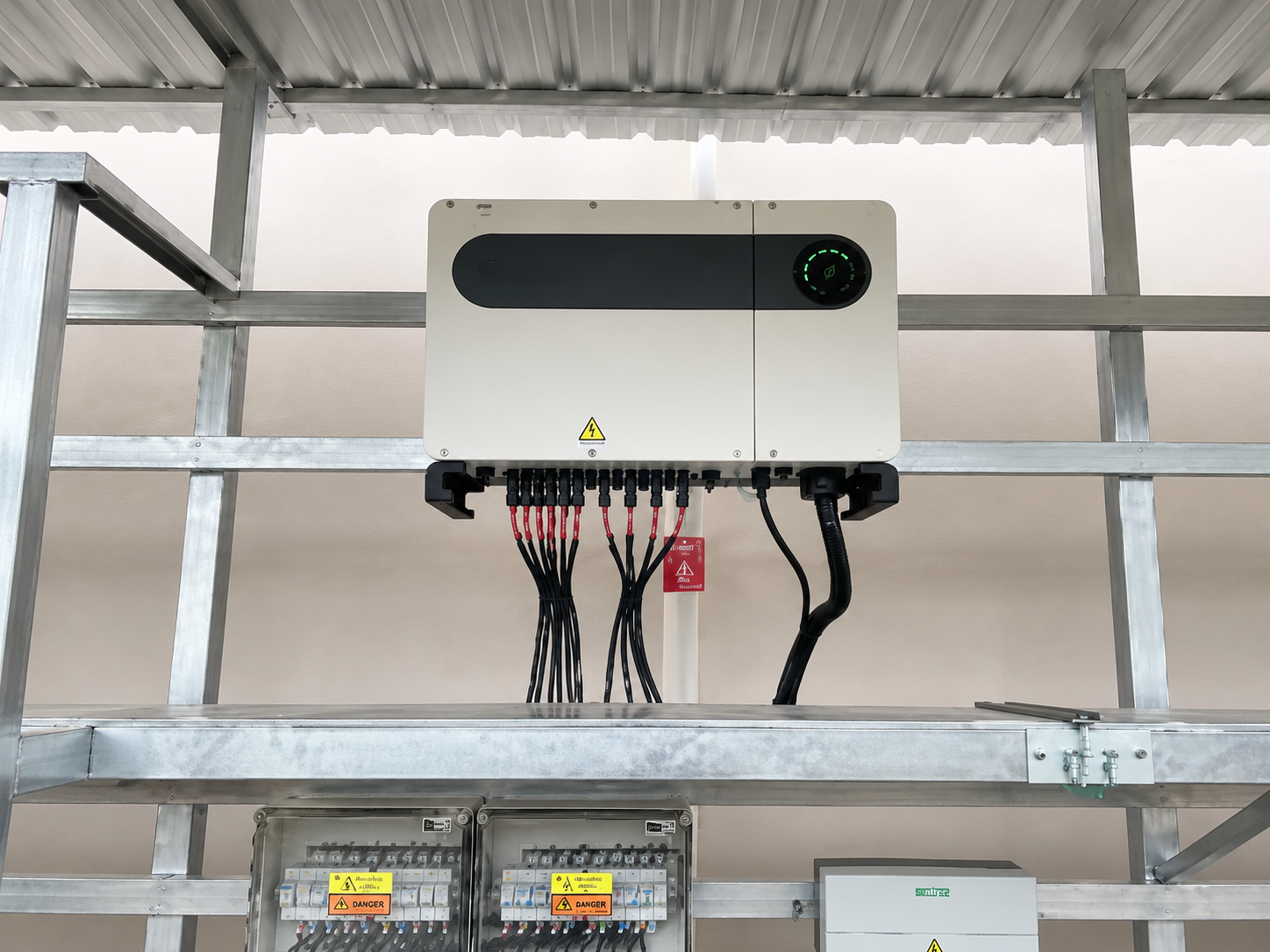
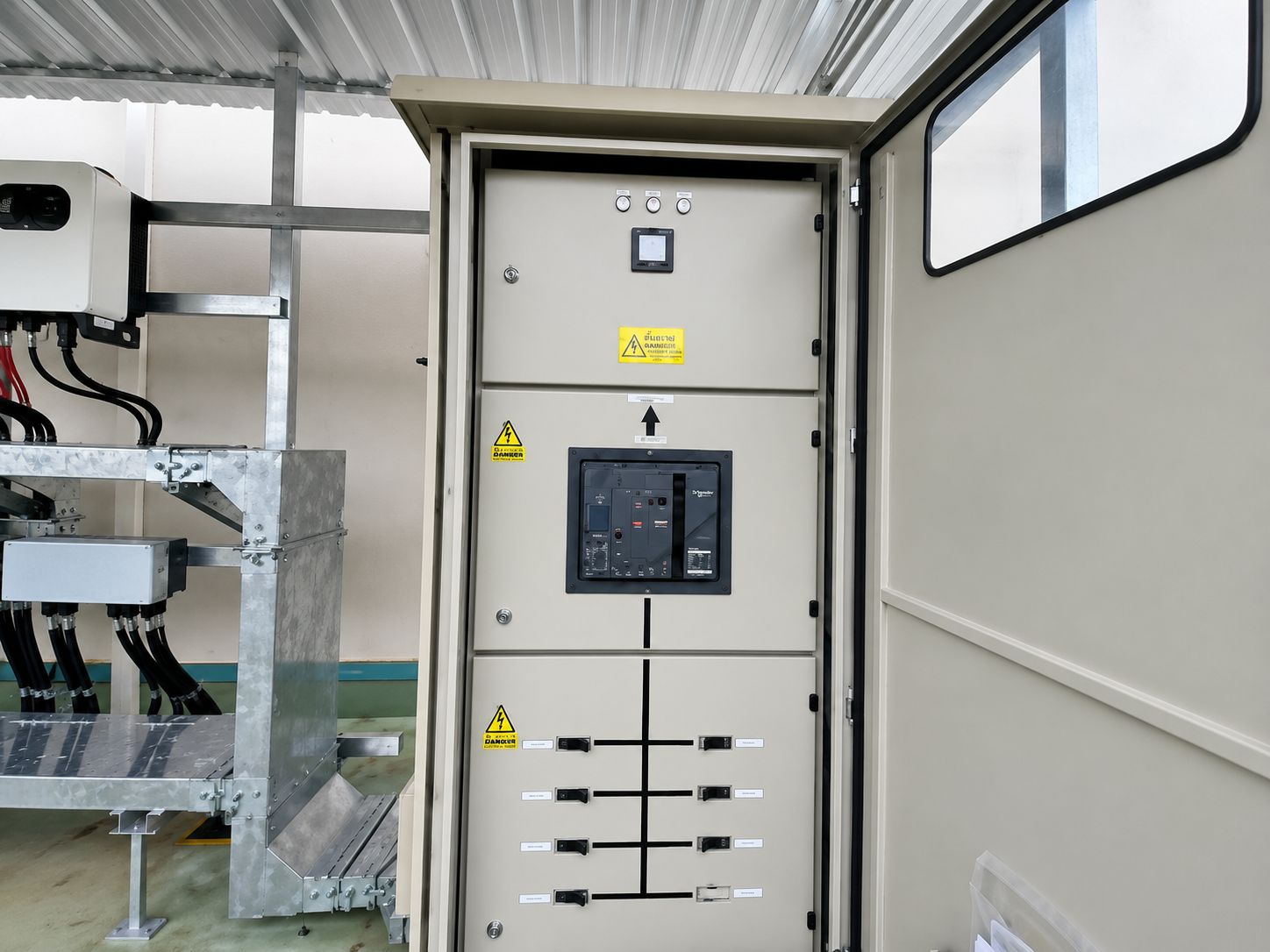
University of Phayao actively pioneers clean energy accessibility, currently operating 3.66 MW of hybrid renewable energy infrastructures—including a 3.5 MW solar PV rooftop network, 100 kW wind power turbines, a 30 kW biomass generator, and canteen food-waste anaerobic digesters (SDG 2, SDG 7). This setup supplies 37.67% of the total campus energy grid as of 2026, aiming for 60% by 2030. Rather than restricting these assets to utility purposes, University of Phayao utilizes them as active "Living Laboratories" and specialized training grounds, facilitating over 16 curriculum programs and New Breed short courses per year to cultivate climate-literate professionals (SDG 4).
Through its circular economy framework, the campus mitigates supply-chain carbon intensity via a 15-ton/day capacity Mechanical Biological Treatment (MBT) facility that successfully diverts internal solid waste from landfills to produce Refuse-Derived Fuel (RDF) and high-value upcycled items—such as 3D-printing filaments and commercial clothing hangers made from 100% recycled bottle caps (SDG 12). Furthermore, the UP-DMS paperless digital ecosystem has eliminated physical administrative workflows by 100%, effectively protecting 3,617 trees and mitigating 163 tCO2e of emissions annually (SDG 15).
Beyond the campus boundaries, University of Phayao creates meaningful local economic resilience. Upcycling campaigns generate direct green employment and sustainable alternative incomes for neighboring municipalities (SDG 1). Community-based agricultural programs deploy the "Khok-Nong-Na" methodology along the Kwan Phayao and Ing River Basin to champion water-efficient crop rotation and low-carbon rice cultivation, directly shielding aquatic ecosystems and land biodiversity from environmental stressors (SDG 6, SDG 14, SDG 15). Infrastructure updates across all smart buildings strictly follow Universal Design principles to guarantee equal accessibility for occupants of all generations and physical disabilities (SDG 10).
University of Phayao's far-reaching climate outcomes are heavily reinforced by strategic alliances, prominently including trilateral research networks with GKNU, national energy-panel engineering collaborations with the Electricity Generating Authority of Thailand (EGAT), EV capacity-building MOUs with the National Science and Technology Development Agency (NSTDA), active representation in global forums like Shanghai Climate Week 2026, and continuous leadership across 64 academic institutions in the Sustainable University Network of Thailand (SUN Thailand) (SDG 17).
In conclusion, the University of Phayao's energy and climate infrastructure operates as a systemic change-agent, seamlessly aligning technological innovations with a firm commitment to human dignity, community prosperity, and global sustainable development.
| Target SDGs | Empirical Evidence & Impacts (University of Phayao's Expertise) |
|---|---|
| SDG 1No Poverty | Center of Environment and Sustainable Management (CESM) plans to expand collaborations by distributing upcycled products (e.g., clothes hangers and souvenirs made from 100% recycled plastic bottle caps) to local government organizations and the private sector, creating green jobs and generating alternative income for local communities. |
| SDG 2Zero Hunger | Collaborative research initiatives to apply the "Khok Nong Na Model" for water-efficient crop rotation and low-carbon rice farming in drought- and flood-prone areas around Kwan Phayao and the Ing River Basin, alongside a biogas system that ferments food waste from university canteens. |
| SDG 3Good Health and Well-being | Installation of the city-level air purification tower "Fahsai 2 at Phayao" in partnership with RISC, utilizing UVC and ozone systems to eliminate bacteria, fungi, and viruses to mitigate Northern Thailand's PM2.5 issues. This is integrated with pollution monitoring systems (VOCs, PM2.5, CO2) linked to Building Management Systems (BMS/BAS) in Active Learning classrooms. |
| SDG 4Quality Education | Transforming the campus into a "Renewable Energy Living and Learning Center" featuring Living Laboratories, short courses to develop carbon neutrality professionals, and over 16 energy conservation training courses per year organized by the Building and Grounds Division. |
| SDG 6Clean Water and Sanitation | Integration of water-saving sanitary systems in smart buildings, such as sensor faucets, water-efficient toilets, and a digital water supply system to monitor leaks, alongside a recycled wastewater treatment system. |
| SDG 7Affordable and Clean Energy | Development of a 3.66 MW hybrid renewable energy system (3.5 MW Solar Rooftop, 100 kW Wind Power, 30 kW Biomass, and Biogas). As of 2026, renewable energy accounts for 37.67% of total electricity consumption, with a target to expand solar capacity to 6 MW to achieve 60% clean electricity generation by 2030. |
| SDG 8Decent Work and Economic Growth | Successful promotion of the Green Office initiative, earning national recognition (G-Green Gold Rating) across 9 university departments, while upskilling labor and staff in the operation and maintenance of smart clean energy systems. |
| SDG 9Industry, Innovation, Infrastructure | Signing an MOU with the National Science and Technology Development Agency (NSTDA) to co-research and develop Electric Vehicle (EV) technologies and high-performance personnel, alongside adopting global smart building innovations like BMS, BAS, BIM, and FMS for infrastructure management. |
| SDG 10Reduced Inequalities | Policies for designing and renovating eco-friendly buildings and infrastructure aligned with quality-of-life enhancements, strictly incorporating Universal Design principles to ensure equal access and usability for all groups, ages, and individuals with disabilities. |
| SDG 11Sustainable Cities and Communities | Development of Smart Building Areas covering 95.65% (523,580 m²) of the total building footprint, combined with a 100% Electric Vehicle (EV) Shuttle Bus transit system inside the campus, complemented by shaded bicycle lanes and pedestrian walkways spanning over 3.5 kilometers. |
| SDG 12Responsible Consumption and Production | A "Zero Waste to Landfill" directive powered by a 15-ton/day Mechanical Biological Treatment (MBT) facility that converts solid waste into Refuse-Derived Fuel (RDF). This includes upcycling plastic waste into 3D printer filaments, lawnmower fuel, and interlocking paving blocks, alongside a strict procurement policy resulting in a 96.38% adoption rate of energy-efficient (No. 5 and Energy Star) appliances. |
| SDG 13Climate Action | Official declaration of "University of Phayao Carbon Neutrality 2050" in partnership with the Thailand Greenhouse Gas Management Organization (TGO) to achieve net-zero greenhouse gas emissions by 2050. This involves tracking a comprehensive greenhouse gas inventory across Scopes 1, 2, and 3, and implementing the UP-DMS (Digital Document Management System), which reduced paper usage by 80%, saved 3,617 trees, and mitigated over 163 tCOe/year. |
| SDG 14Life Below Water | Sub-projects monitoring sustainable water management for circular agriculture and low-carbon rice cultivation around Kwan Phayao, minimizing chemical runoff and sediment contamination into natural water bodies to protect the freshwater ecosystem and aquatic life central to Phayao Province. |
| SDG 15Life on Land | Mandating green preservation guidelines where new buildings over 1,000 m² must allocate at least 50% of their roof/wall space to Green Roofs or Green Walls. Additionally, the university actively manages the Plant Genetic Conservation Project Under the Royal Initiative of Her Royal Highness Princess Maha Chakri Sirindhorn (RSPG) to catalog biodiversity and sustain local forests. |
| SDG 16Peace, Justice, Strong Institutions | Establishing robust governance and transparent institutional management through Carbon Neutrality Management Training for mid-to-high-level executives. This fosters deep understanding, leading to transparent resource allocation, budgeting, and institutional public policies anchored in sustainable development principles. |
| SDG 17Partnerships for the Goals | Formulating international alliances (e.g., co-speaking at Shanghai Climate Week 2026, signing a trilateral research MOU with GKNU), national engagements via the Sustainable University Network of Thailand (SUN Thailand) consisting of over 64 institutions, and engineering collaborations with the Electricity Generating Authority of Thailand (EGAT) to research acoustic panels made from agricultural waste. |