Water Conservation Policy and Wastewater Treatment
University of Phayao's Water Conservation Policy is committed to preventing pollution in waterways, with health and safety as a key concern. To achieve clean wastewater on campus, the university has a separate wastewater treatment plant at every building. Wastewater monitoring is conducted monthly to analyze wastewater quality from effluent. Water quality results are tested and analyzed according to the Industrial Wastewater standard by the Central Laboratory Services, Department of Environmental Engineering, School of Energy and Environment, University of Phayao. Example parameters affecting water quality include pH, BOD, COD, TDS, and heavy metal content.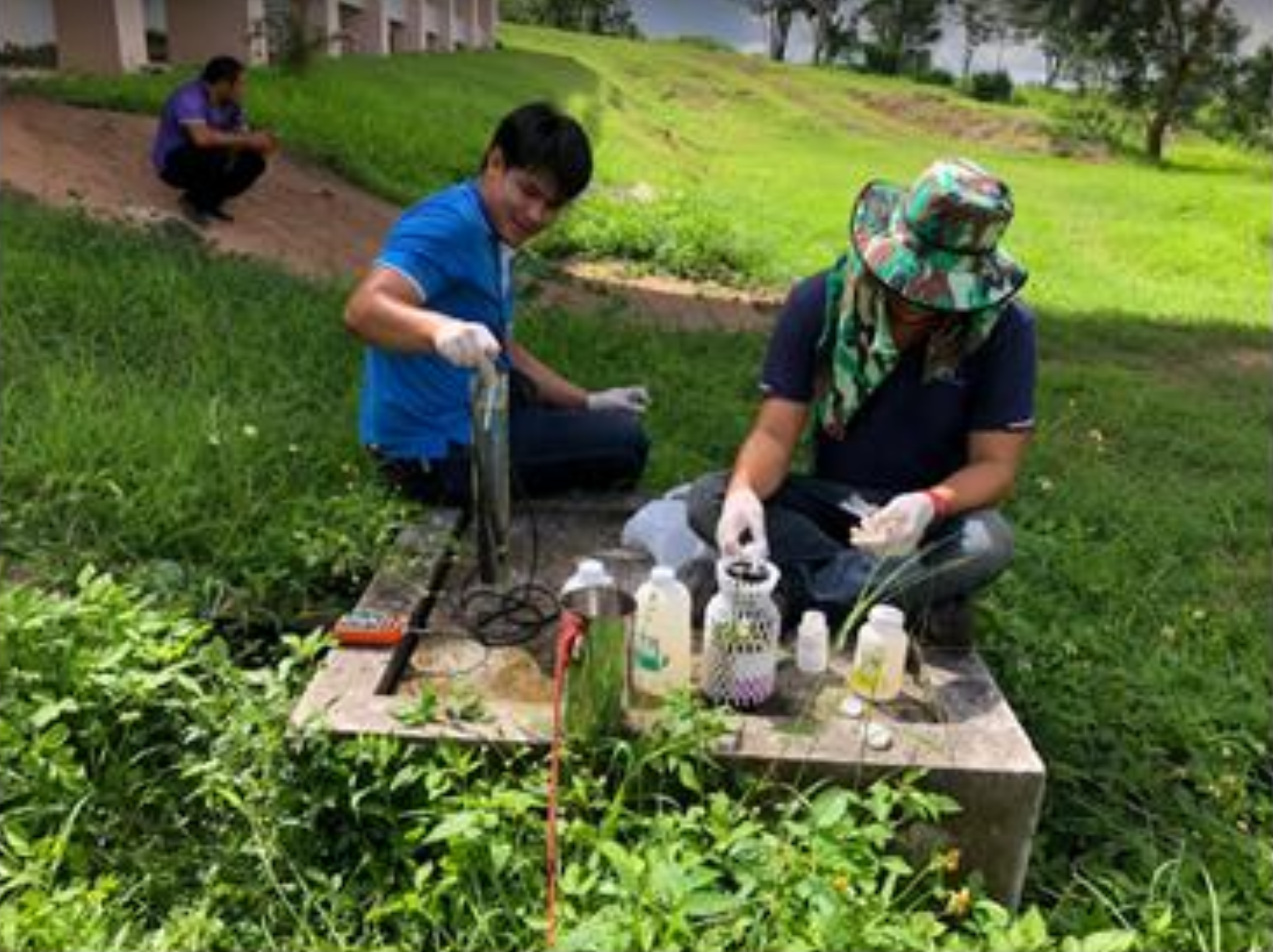
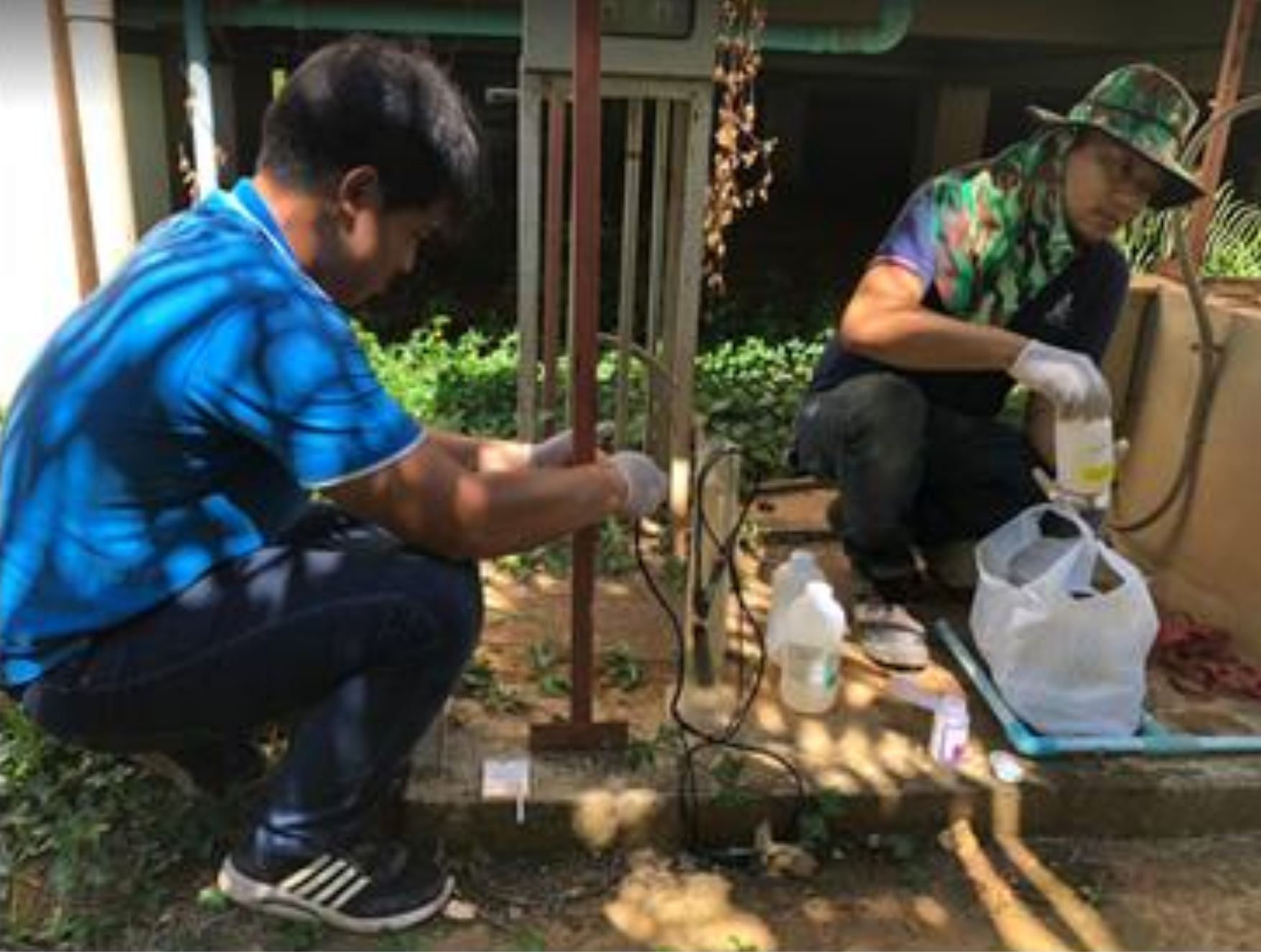
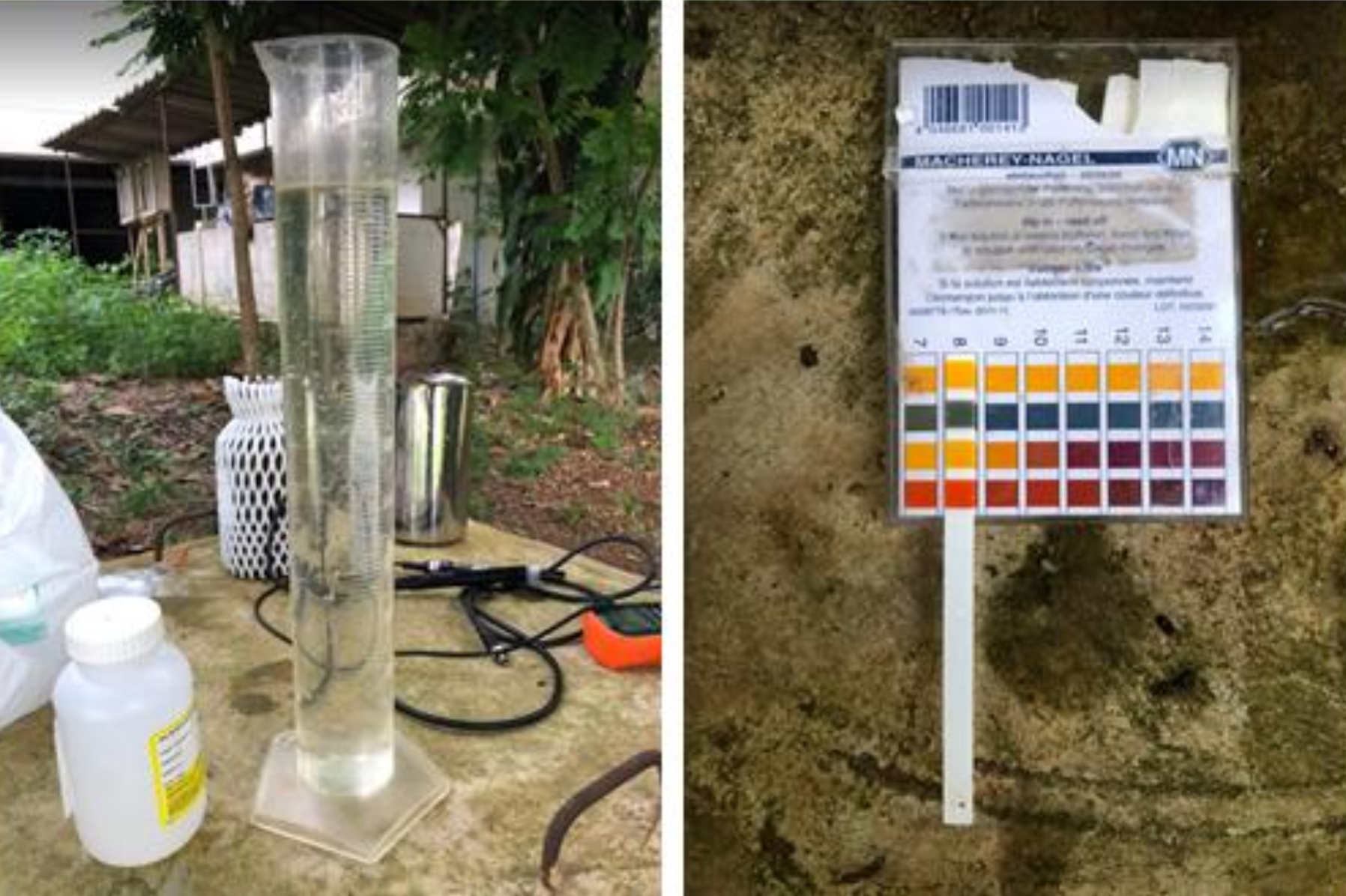
Sewage disposal and wastewater quality testing
Wastewater Monitoring Program
Wastewater monitoring and treatment is one of the water conservation policies related to the safety and health of students and staff. University of Phayao is committed to preventing water pollution and providing standard effluent before discharge to the environment. The wastewater monitoring program follows guidance from the Pollution Control Department, Thailand, to prevent and mitigate environmental issues such as pollution, in accordance with the Enhancement and Conservation of the National Environmental Quality Act B.E. 2535. Wastewater sampling from all buildings, natural ponds, and water resources within the university is performed monthly and analyzed according to standard methods by the Central Laboratory Services, Department of Environmental Engineering, School of Energy and Environment.Goal: 100% of wastewater quality from all buildings in University of Phayao is within the Industrial Wastewater standard.
Results: In 2026, wastewater quality in all buildings and natural water resources within University of Phayao is 100% compliant with the Industrial Wastewater standard before discharge to the environment.
University of Phayao undertook a contract to repair and improve the wastewater treatment system, and also provides maintenance services for the wastewater treatment system in each building every month. The Environmental Section, Division of Building and Facilities, is responsible for this project, with a duty to cleanse and maintain sewers (and any lateral drains) to ensure that the area they serve is effectively drained. There is also a duty to make provision for emptying those sewers, normally through sewage treatment works, or where appropriate, through discharges direct to watercourses. University of Phayao monitors water quality from within the campus. Samples are collected from ponds, buildings, and public water discharge points to monitor water quality regularly.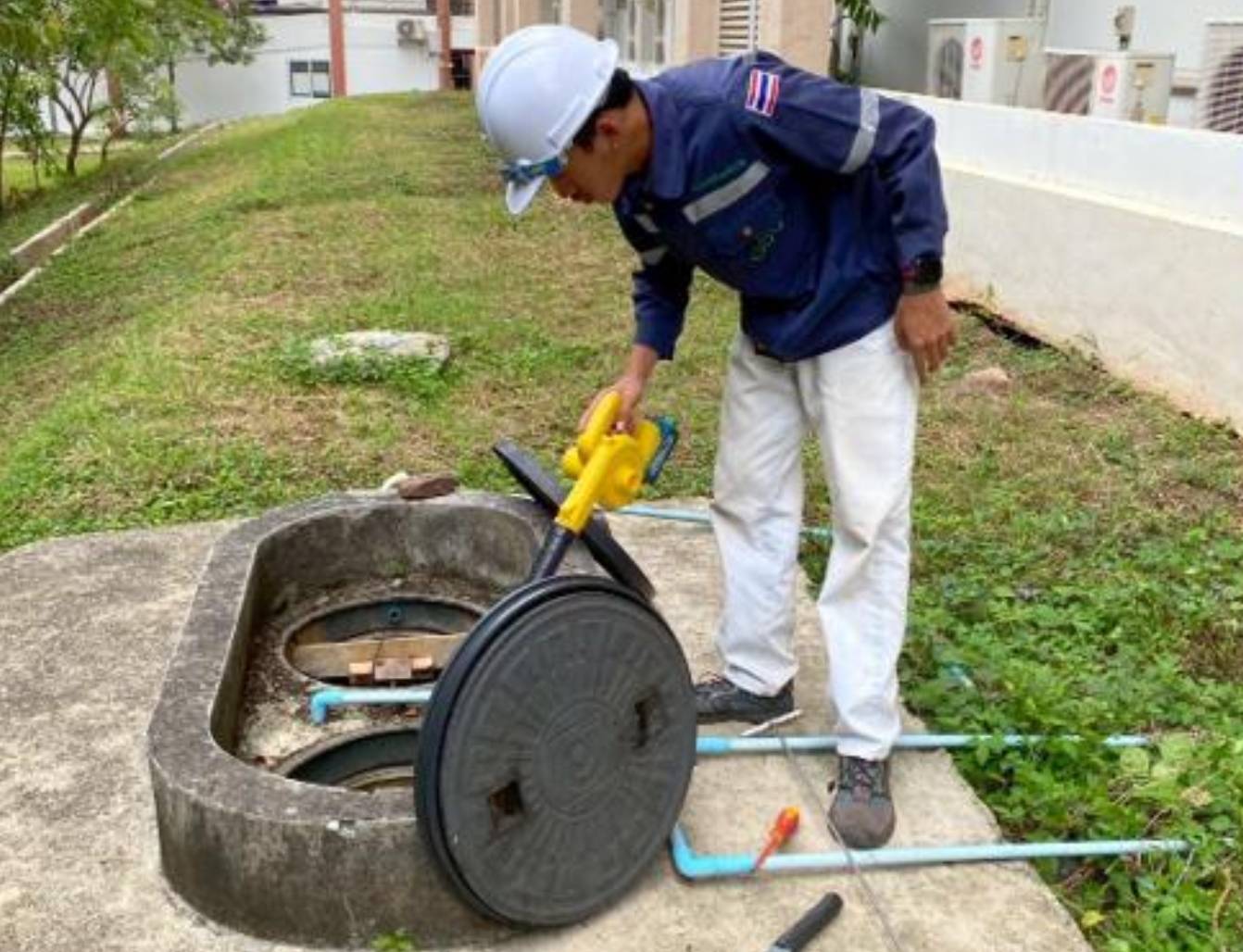
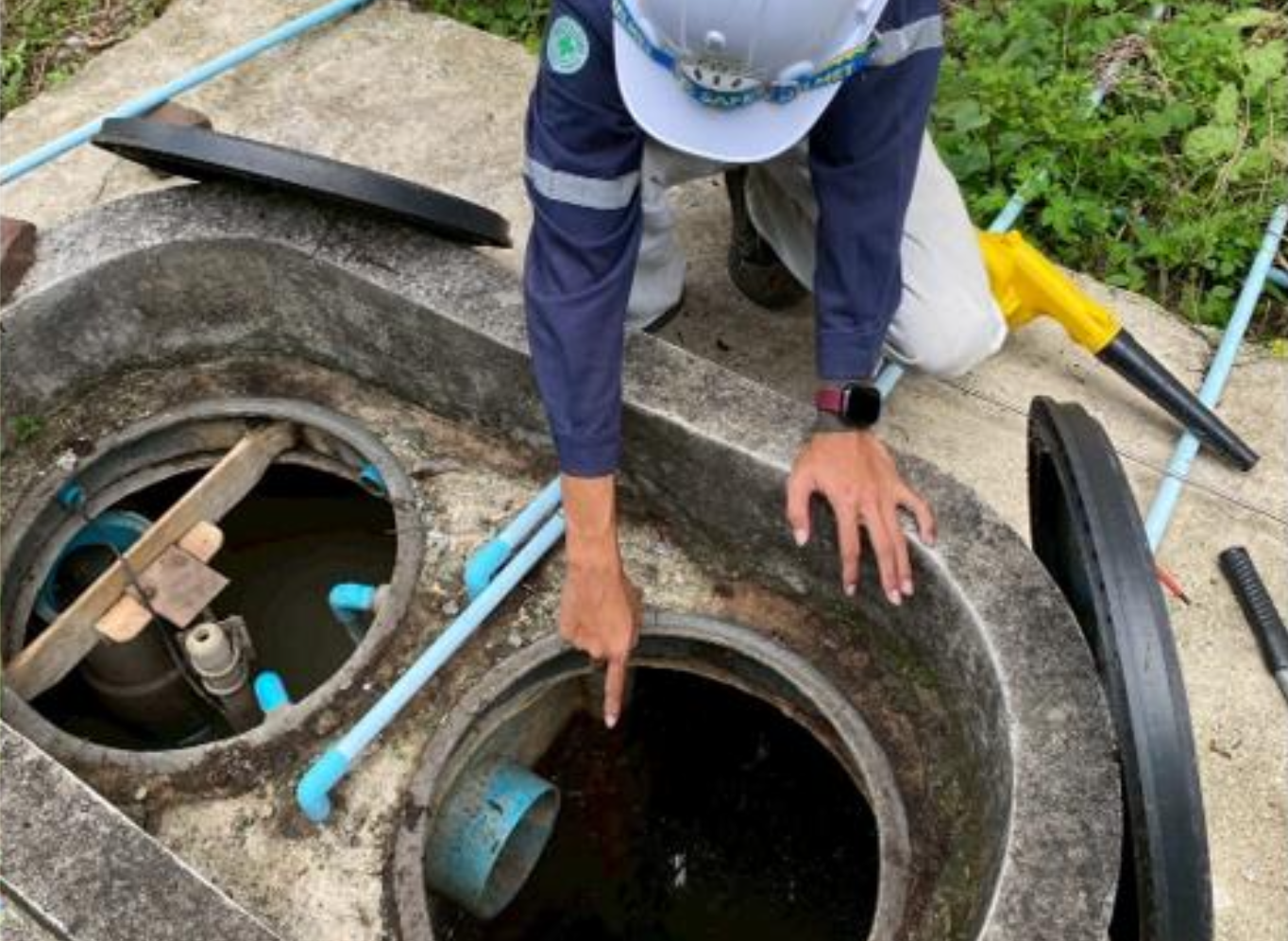
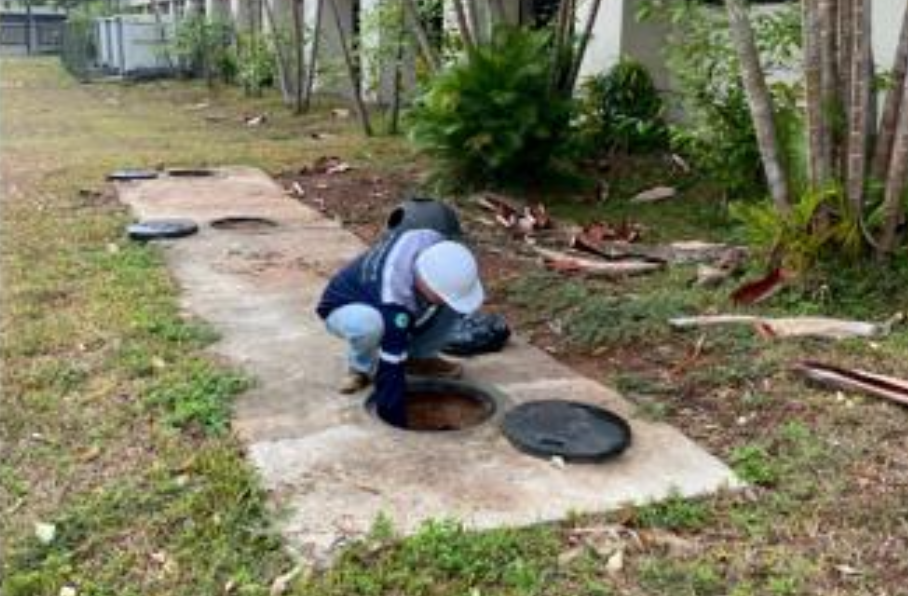
Maintenance and repair of the wastewater treatment system
Laboratory Wastewater Management and Treatment Flow
University of Phayao has a clear policy toward becoming a green university, with sustainable environmental management and water conservation as one of its priorities, including controlling water pollution caused by consumption, such as wastewater from toilets. Wastewater coming from laboratories is strictly regulated and enforced, making it much less likely that chemical contamination will be released into the university's water system. The university has organized a hazardous waste chemical management system to support waste chemicals generated from laboratory experiments, and provides training on waste chemicals to all laboratory staff and students. Wastewater generated inside each building enters the building's sewage system before being discharged into the gutter and flowing into a water well along the way. Water that passes through the wastewater treatment system then flows into the 1st pond, through the 2nd water reservoir, and to the 3rd water well, where each pond has an aeration system and aquatic plants, such as hyacinth, to help treat the water before it reaches the pumping point leading outside the campus. Checked parameters cover pH, SS, BOD, TKN, TDS, Sulfide, Fat Oil & Grease, Arsenic, Mercury, Cadmium, and Chromium, in line with the standard controlling drainage from certain types and sizes of buildings.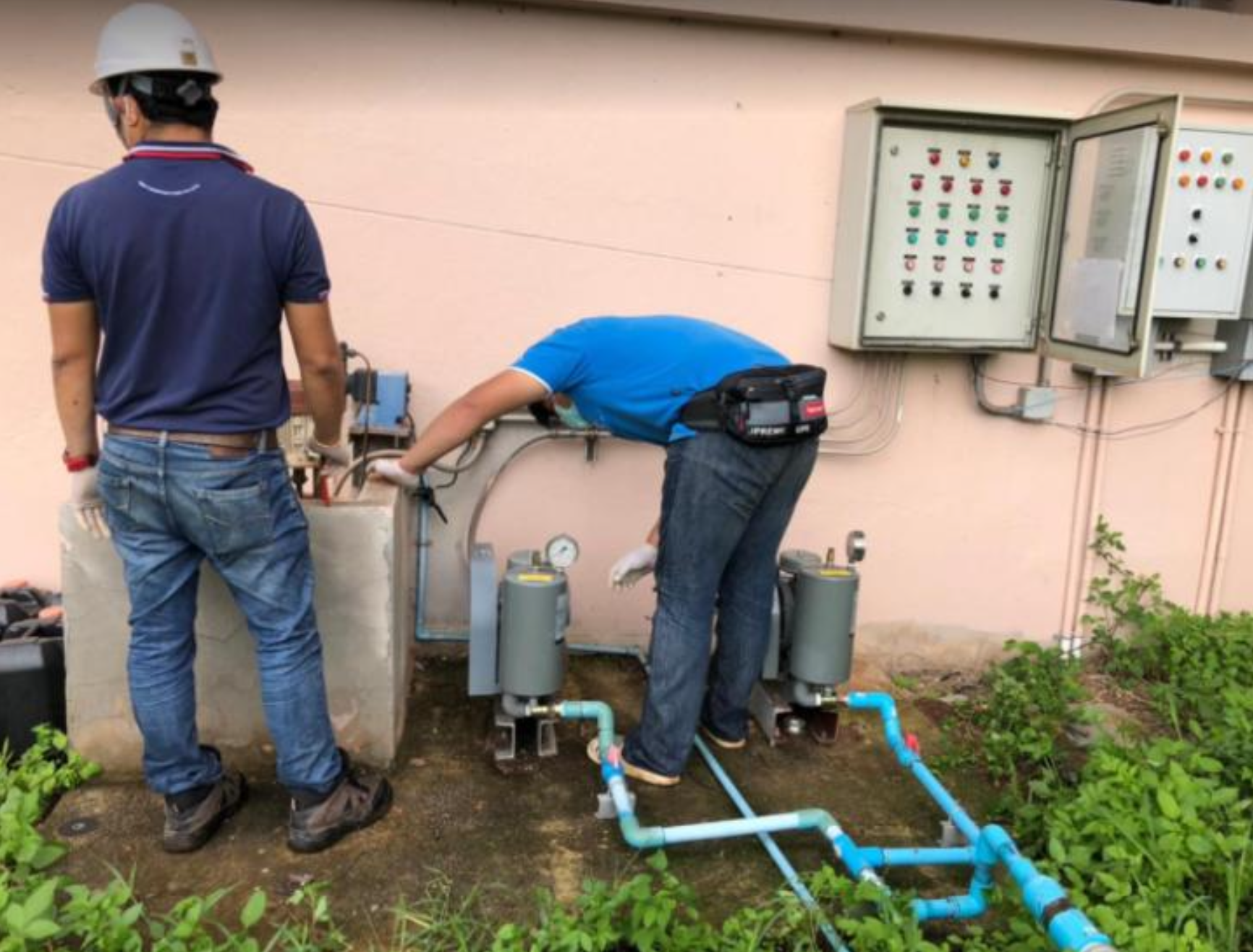
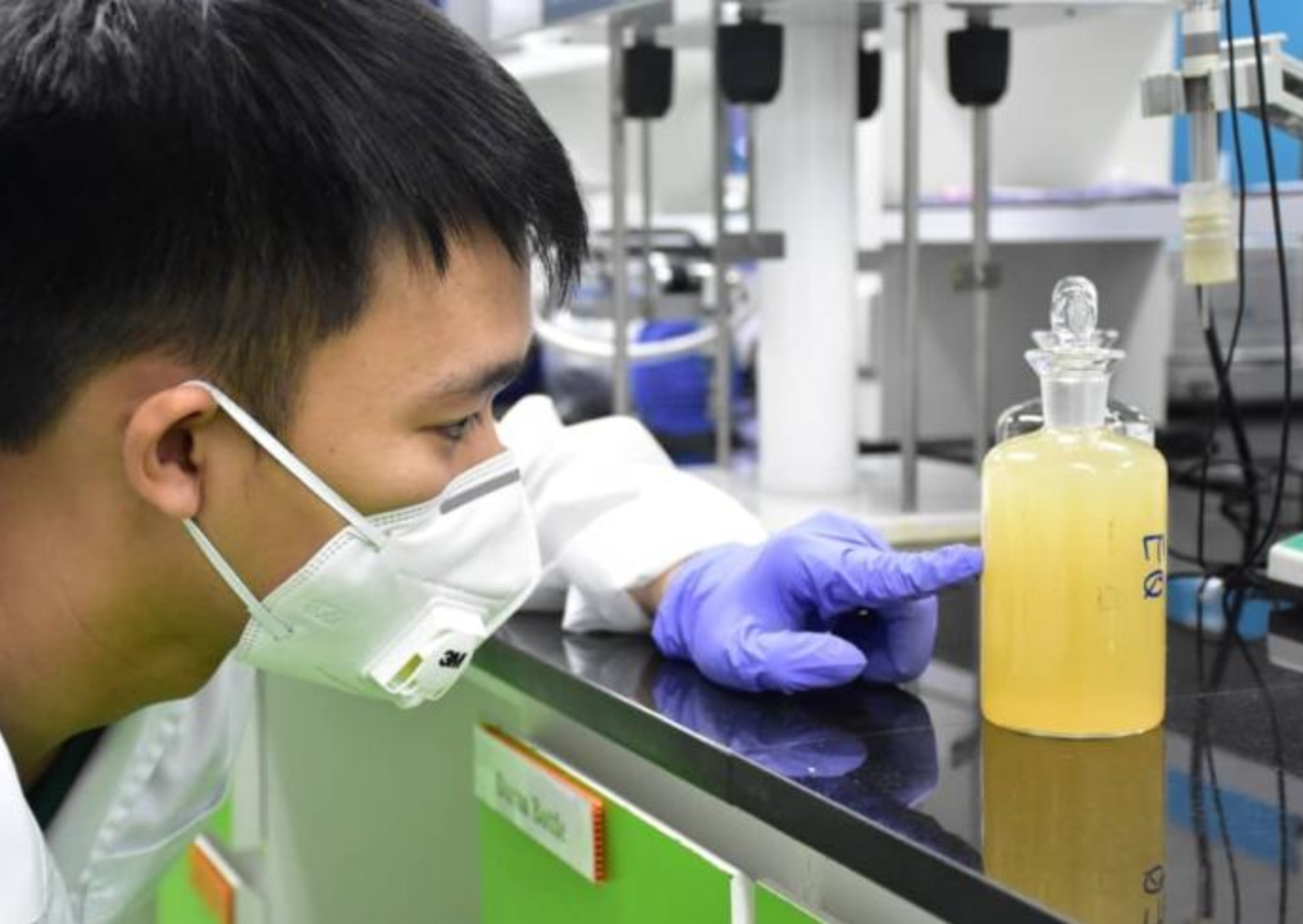
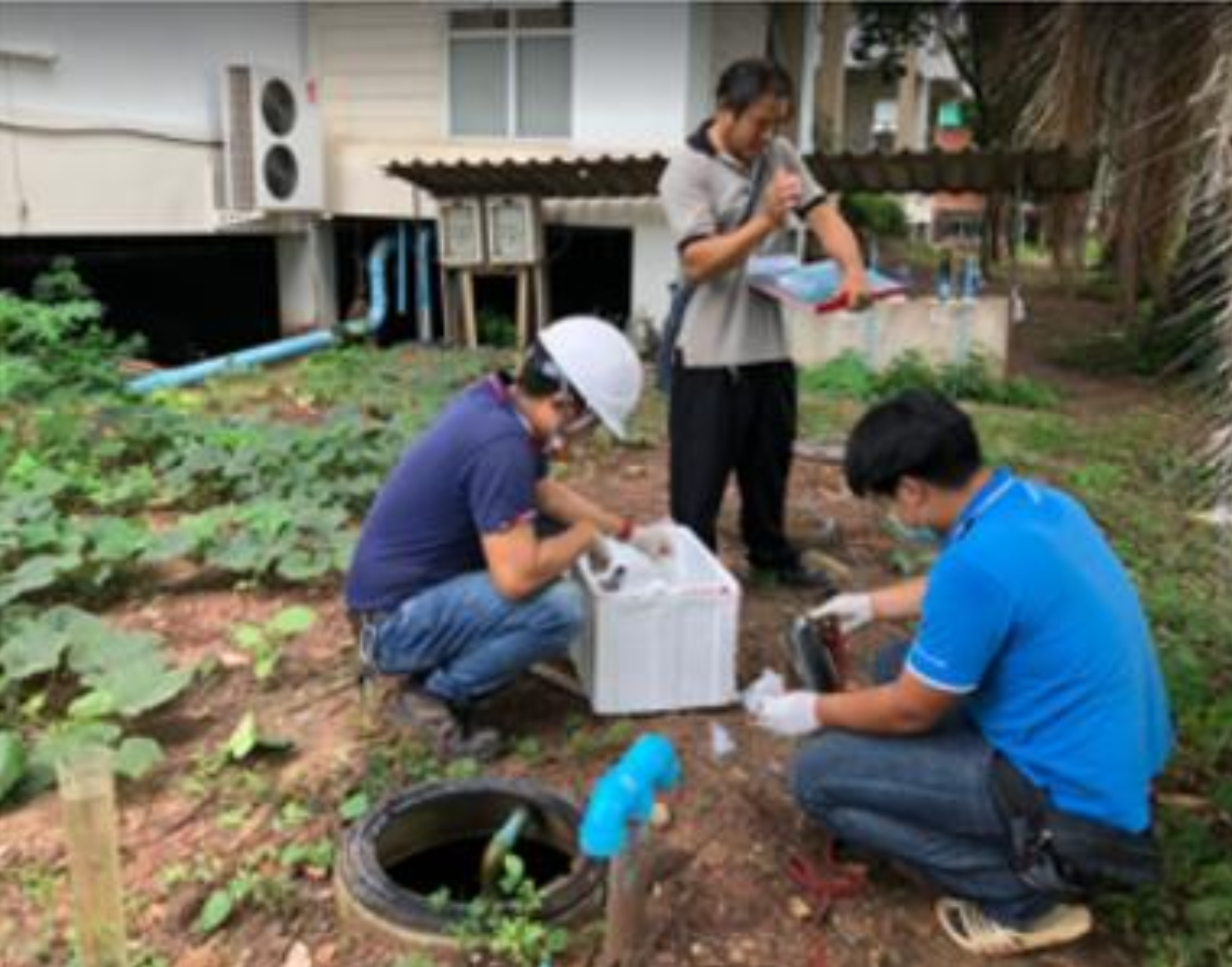
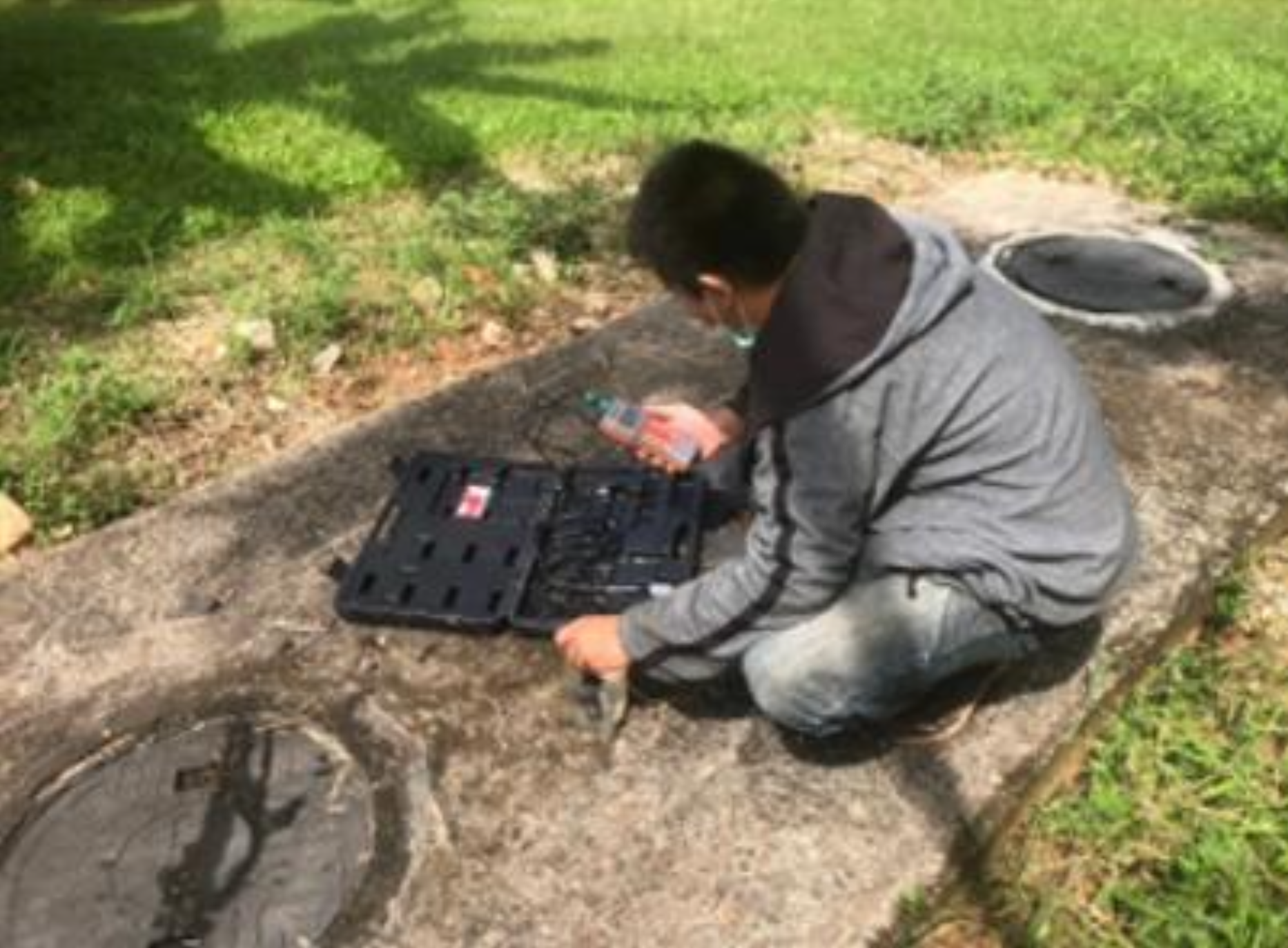
Maintaining the wastewater treatment system and checking water quality through sample collection
Water Treatment with Plants
University of Phayao has many wells. Using plants to treat water is a water treatment method that is not costly and also benefits from the plants for further use. The roots of the plants help treat the water more effectively, resulting in no bad smell and an organic sludge trap, so the water that flows from the trench is not black or smelly.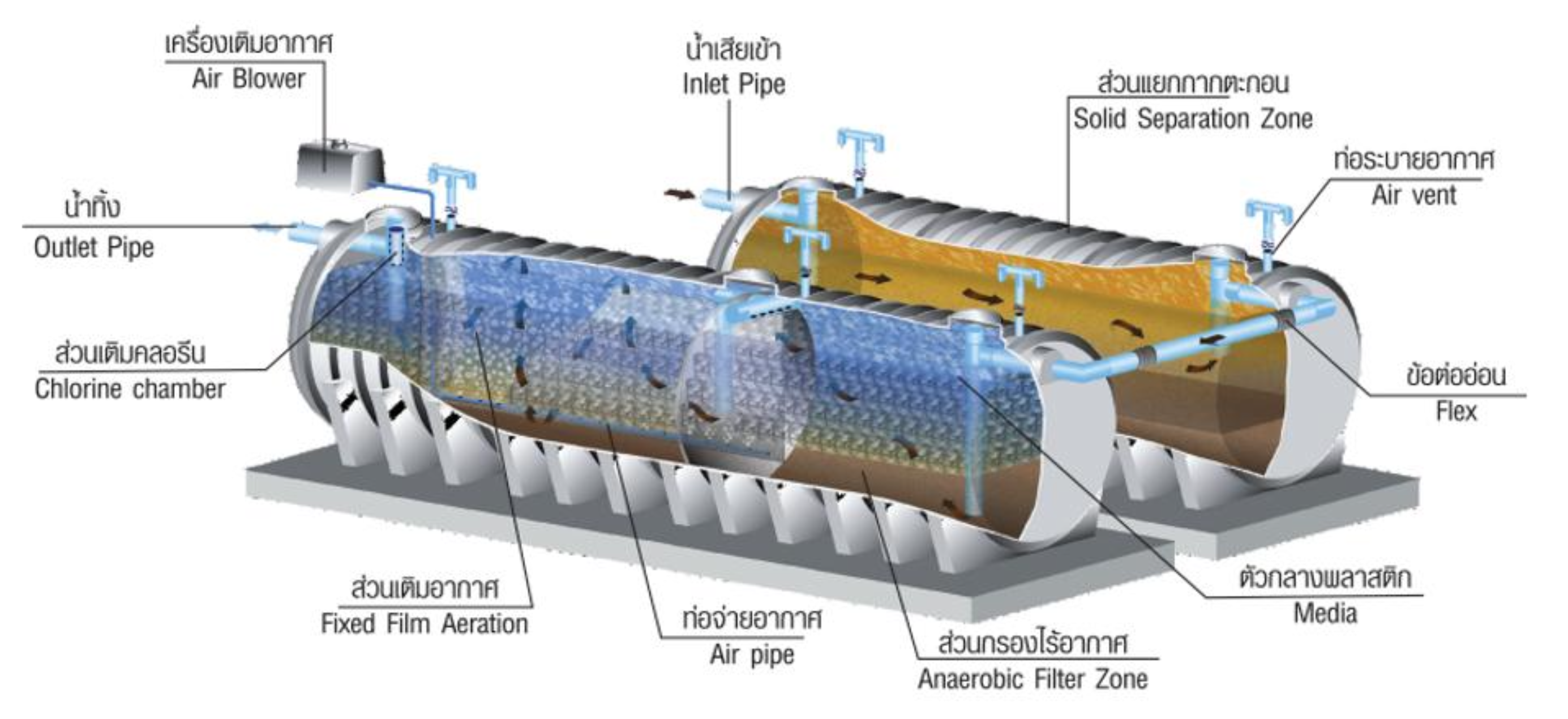
Diagram of the artificial swamp wastewater treatment system
SBT MICA SAND Wastewater Treatment System
The SBT MICA SAND system separates wastewater treatment into 4 steps: the solid separation chamber, anaerobic filter chamber, aeration chamber, and sedimentation chamber. On campus, toilets and the cafeteria are the main sources of black and gray water, which are treated before release into the public channel. Furthermore, University of Phayao has a wastewater treatment system that mimics natural processes, integrating aquatic plants, soil, and microorganisms to decompose organic matter and absorb nutrients. This system is environmentally friendly, has a simple structure, and has low construction and maintenance costs. It is commonly used for treating municipal wastewater or for final water quality improvement before discharge into natural water sources. Three such systems are installed across various buildings to serve as learning spaces for interested students and staff.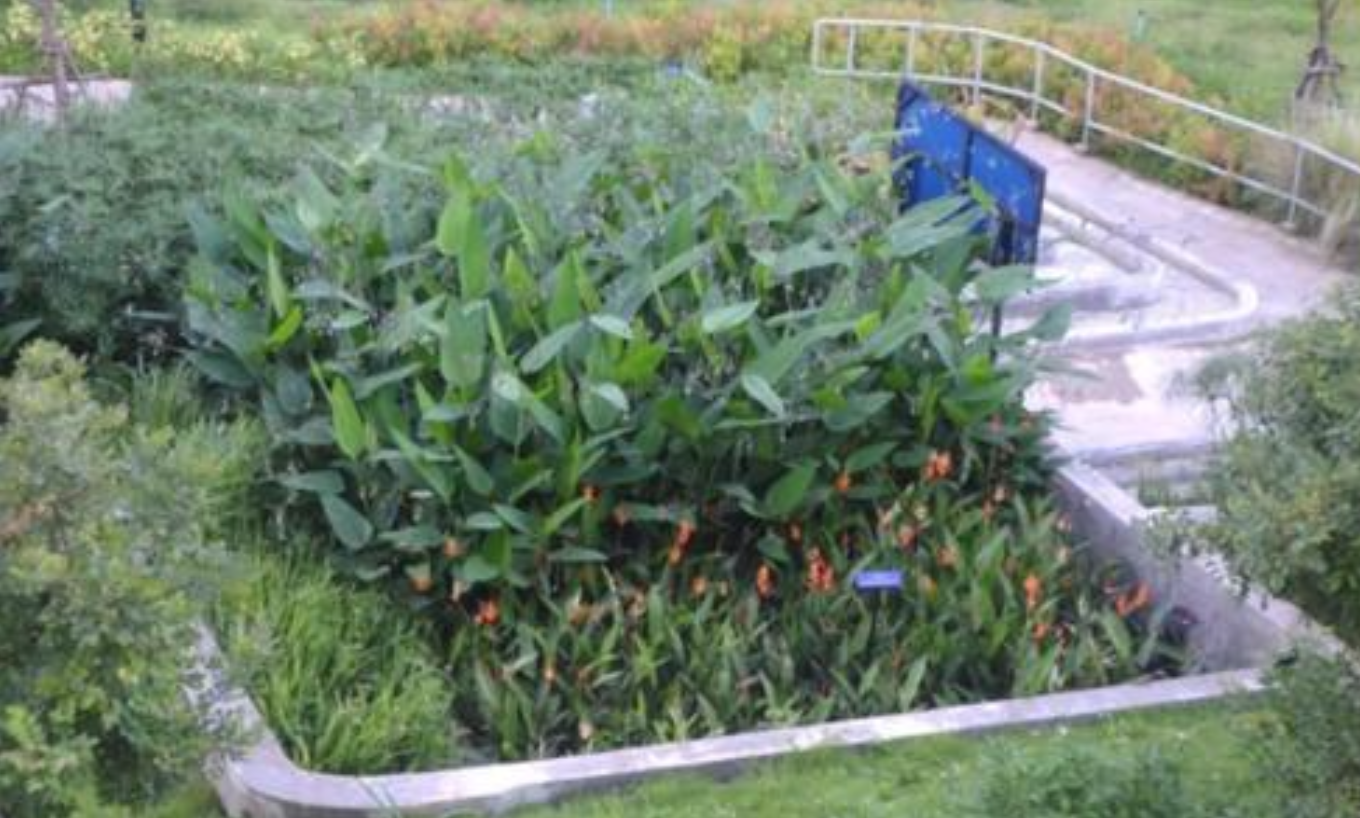
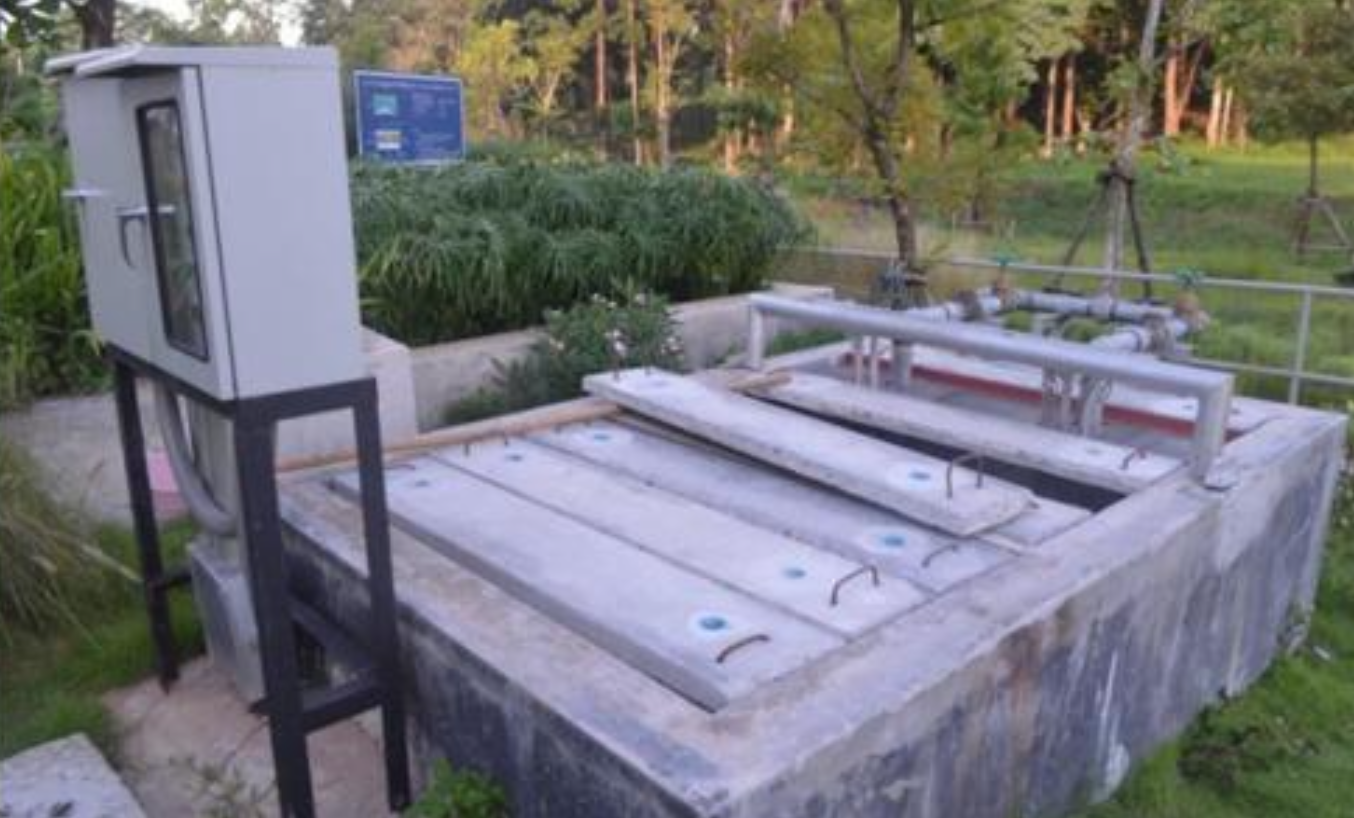
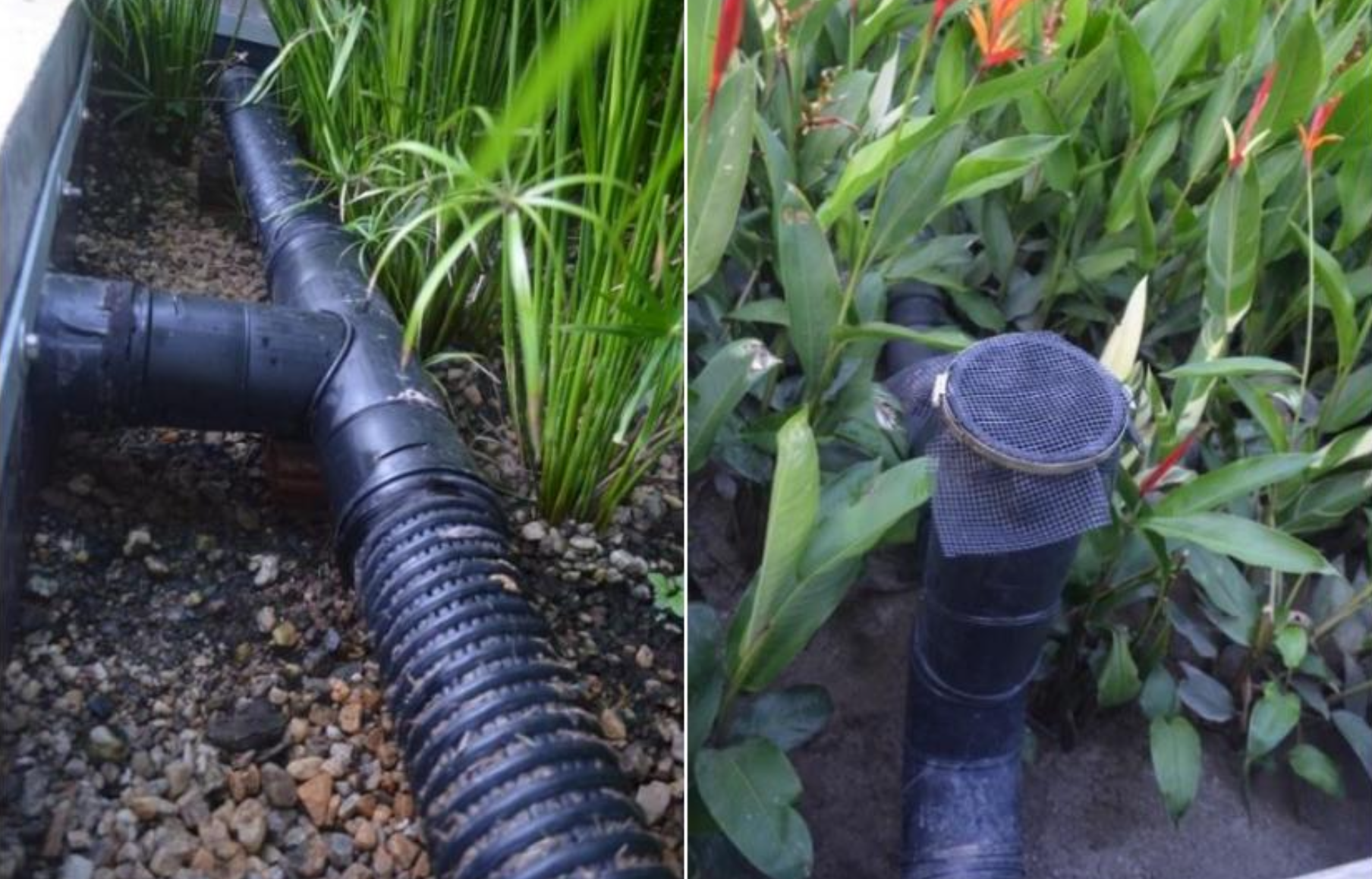
Wastewater treatment system that mimics natural processes
Solar-Powered Aeration Turbines for Wastewater Treatment
The team conducting this operation sent wastewater samples to measure BOD, Total Suspended Solids, and Total Dissolved Solids content at the School of Energy and Environment, University of Phayao, and at institutions with relevant experts serving as consultants in water analysis, jointly planning to improve cases where water quality is at risk of polluting the area.
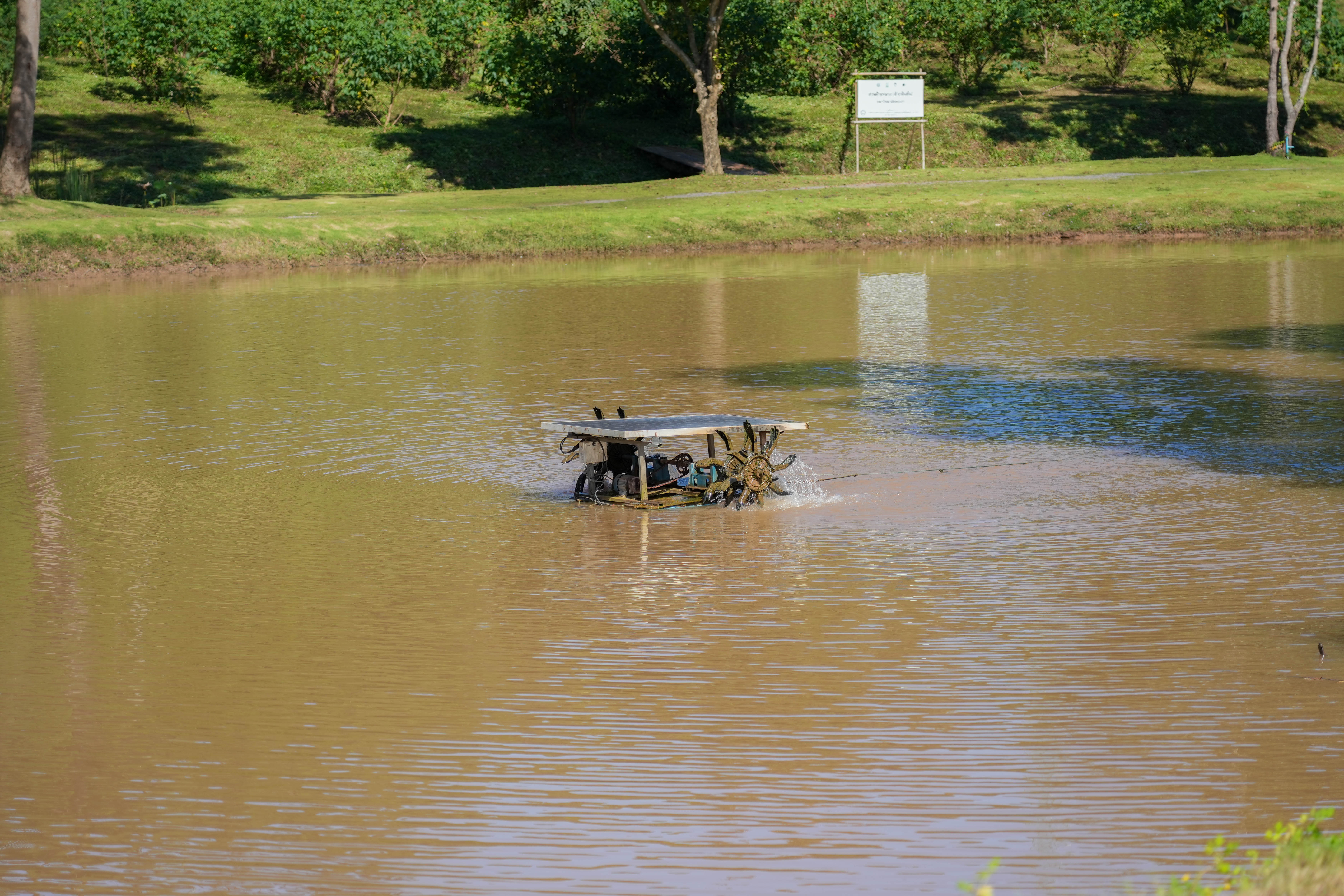
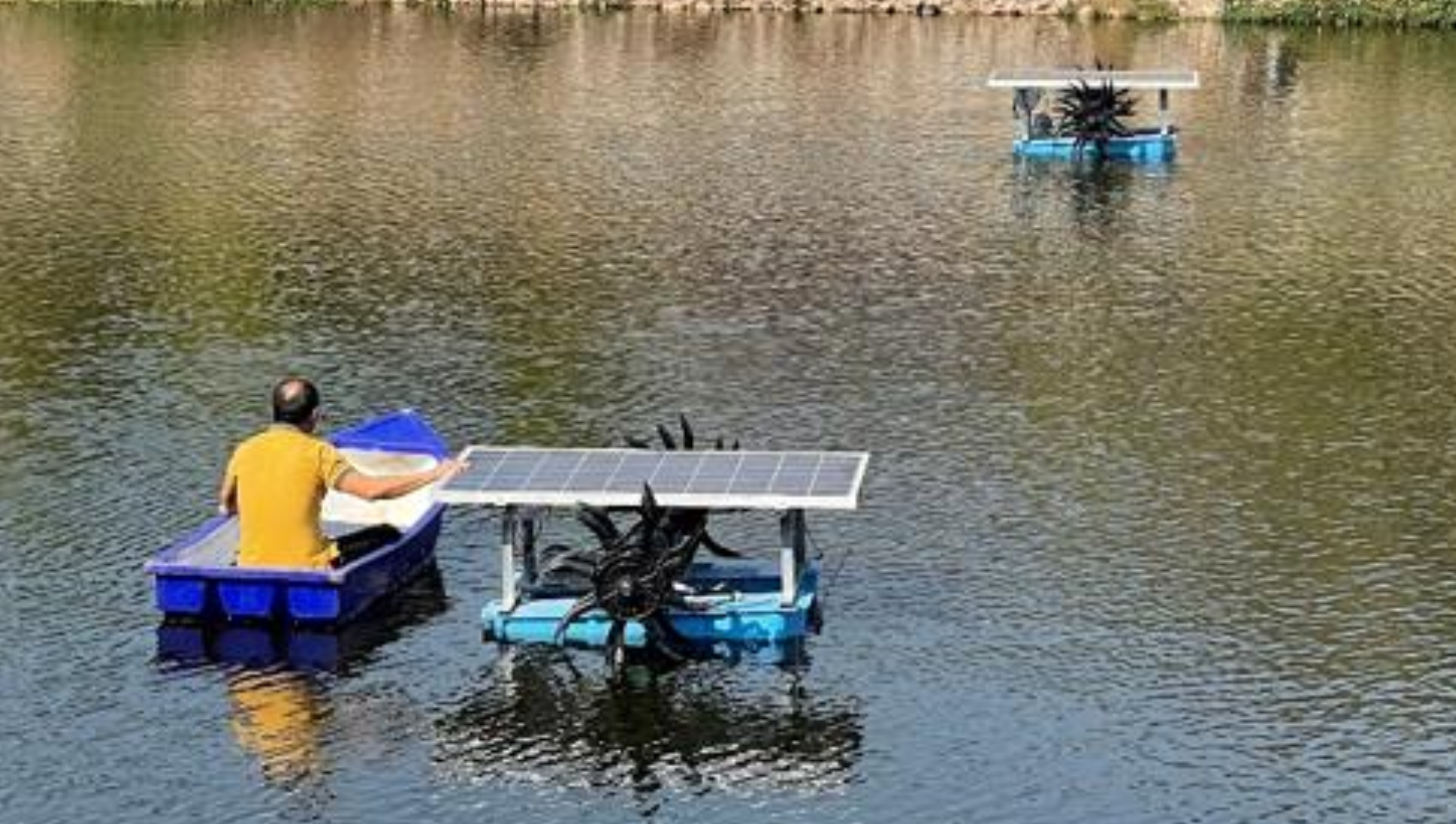
Solar powered aeration turbines for wastewater treatment
Water Quality Monitoring Around Campus Events
Within University of Phayao, various activities organized by students and staff have led to an increase in the number of people using campus spaces during these events. To raise awareness about water pollution on campus, the Environment sector collected samples and analyzed water quality from different sources before and after the events, measuring dissolved oxygen levels and pH. The comparison revealed that the overall condition of the water sources prior to the events was good. Many water sources showed significant improvement in maintenance, resulting in cleaner water — waste was removed from these sources, and aerators were installed. Following the events, participants demonstrated greater awareness of environmental issues.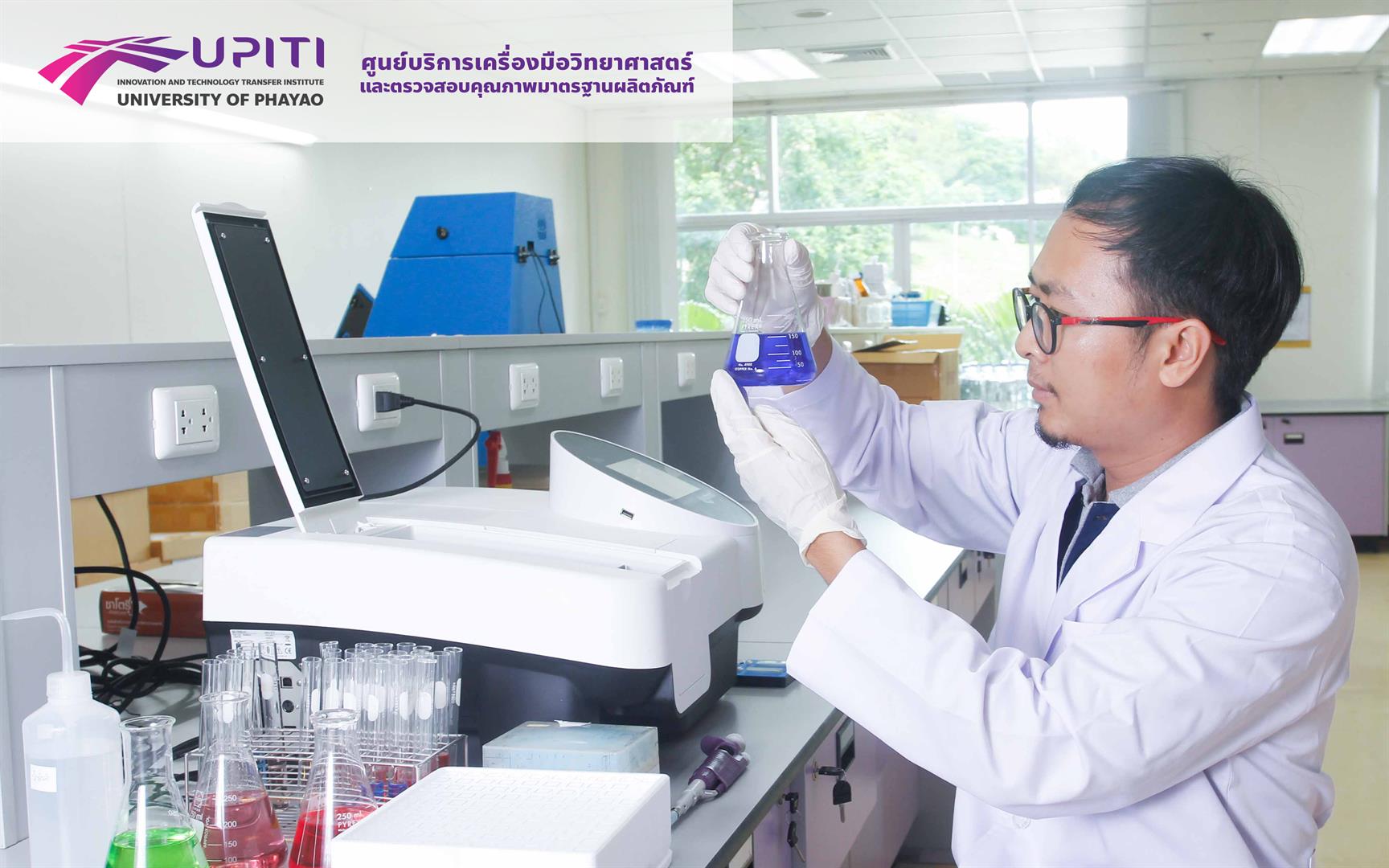
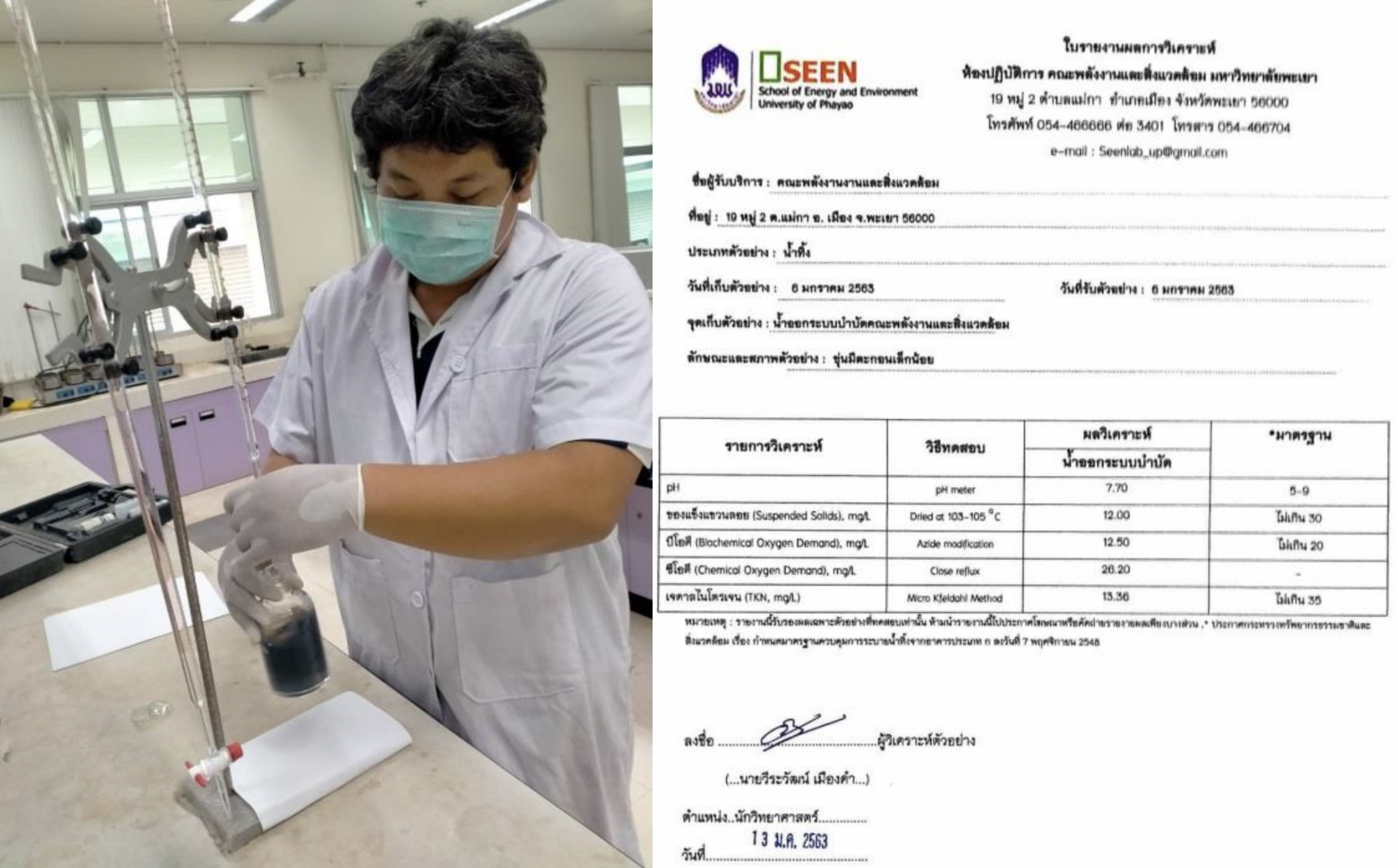
Results of inspection of treated water quality
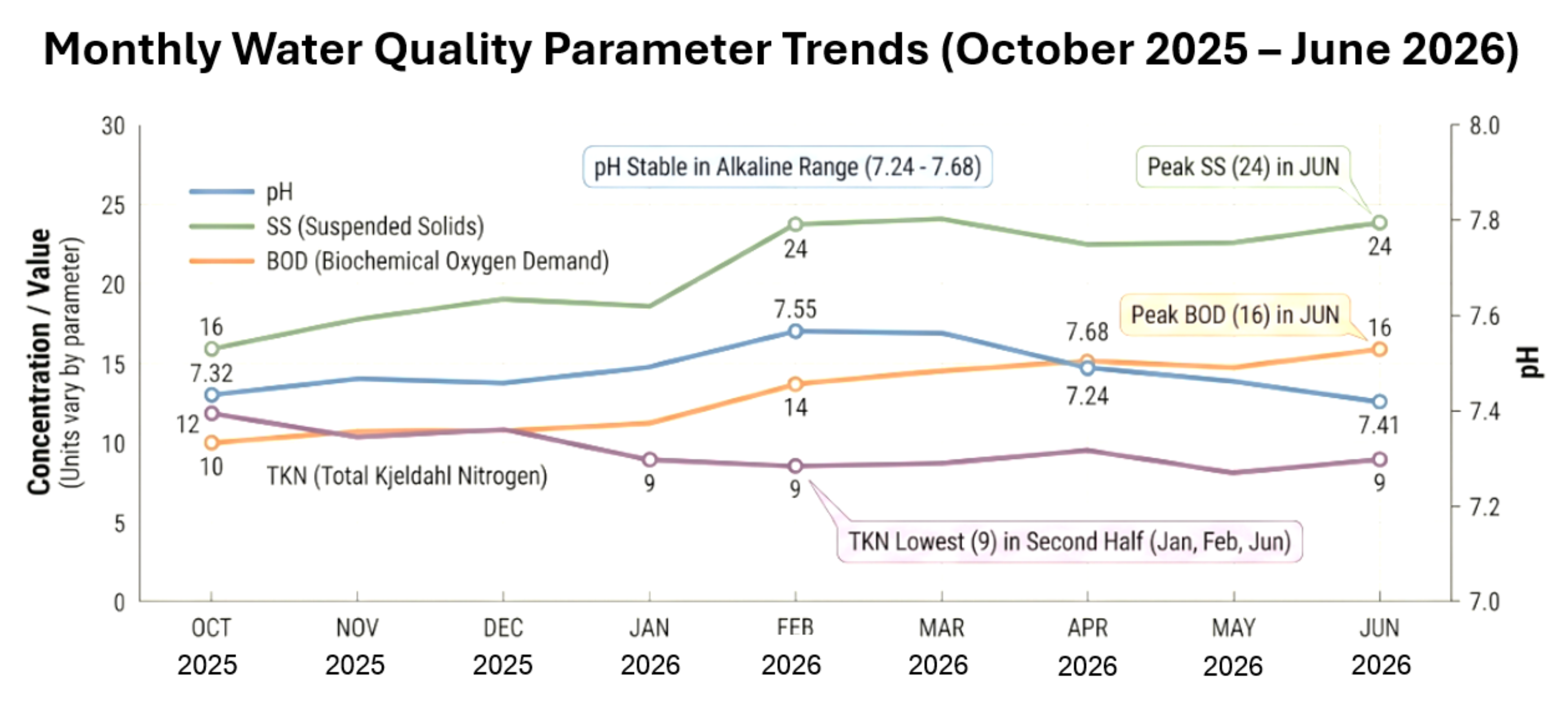
Monthly Water Quality Parameter Trends (October 2025 – June 2026): pH remained stable within the alkaline range of 7.24–7.68; Suspended Solids (SS) peaked at 24 in June; BOD peaked at 16 in June; and TKN (Total Kjeldahl Nitrogen) was lowest at 9 during January, February, and June.
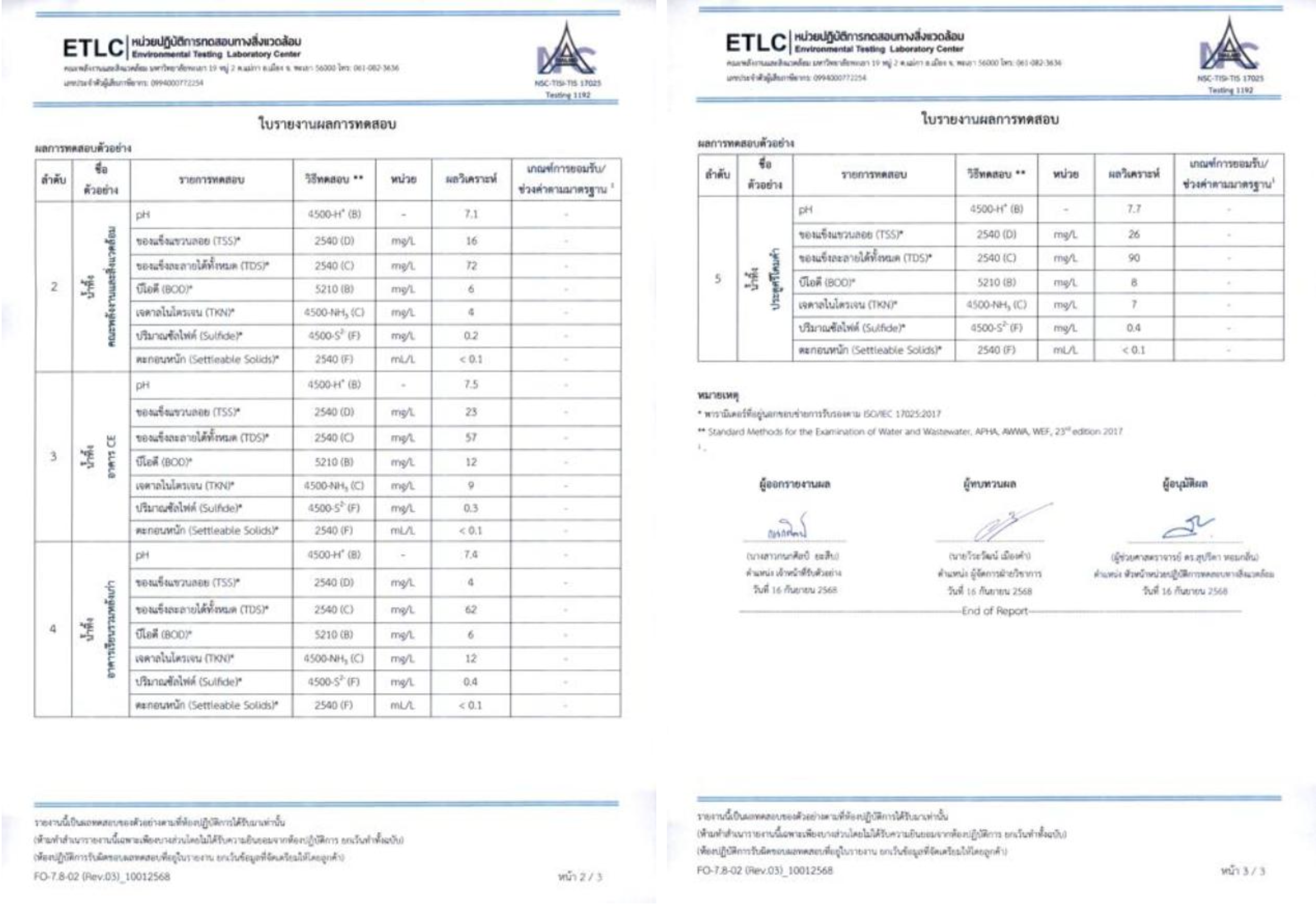
Example documents for monthly water quality inspection
The Main Wastewater Treatment System
The main wastewater treatment system of University of Phayao uses an activated sludge dewatering process, which generally consists of two important parts: the aeration tank and the sedimentation tank. Wastewater is sent to the aeration tank, where conditions are favorable for the growth of aerobic microorganisms. These microorganisms decompose organic matter in the wastewater into carbon dioxide and water. The treated wastewater then flows to the sedimentation tank, where the sludge is separated from the clear water. A portion of the sludge that settles at the bottom of the sedimentation tank is pumped back into the aeration tank to maintain the specified sludge concentration, while the remaining portion becomes excess sludge that must be disposed of. The clear water at the upper part of the sedimentation tank can then be drained into the environment.Guideline Standard
University of Phayao's water quality is monitored regularly and evaluated before being released into public water bodies, ensuring it does not exceed the standards controlling sewerage from buildings of certain types and sizes, so that it does not affect the aquatic ecosystem and the environment. The university also has guidelines to promote the conservation of water resources, such as the economical use of water, water resources development, and water recycling.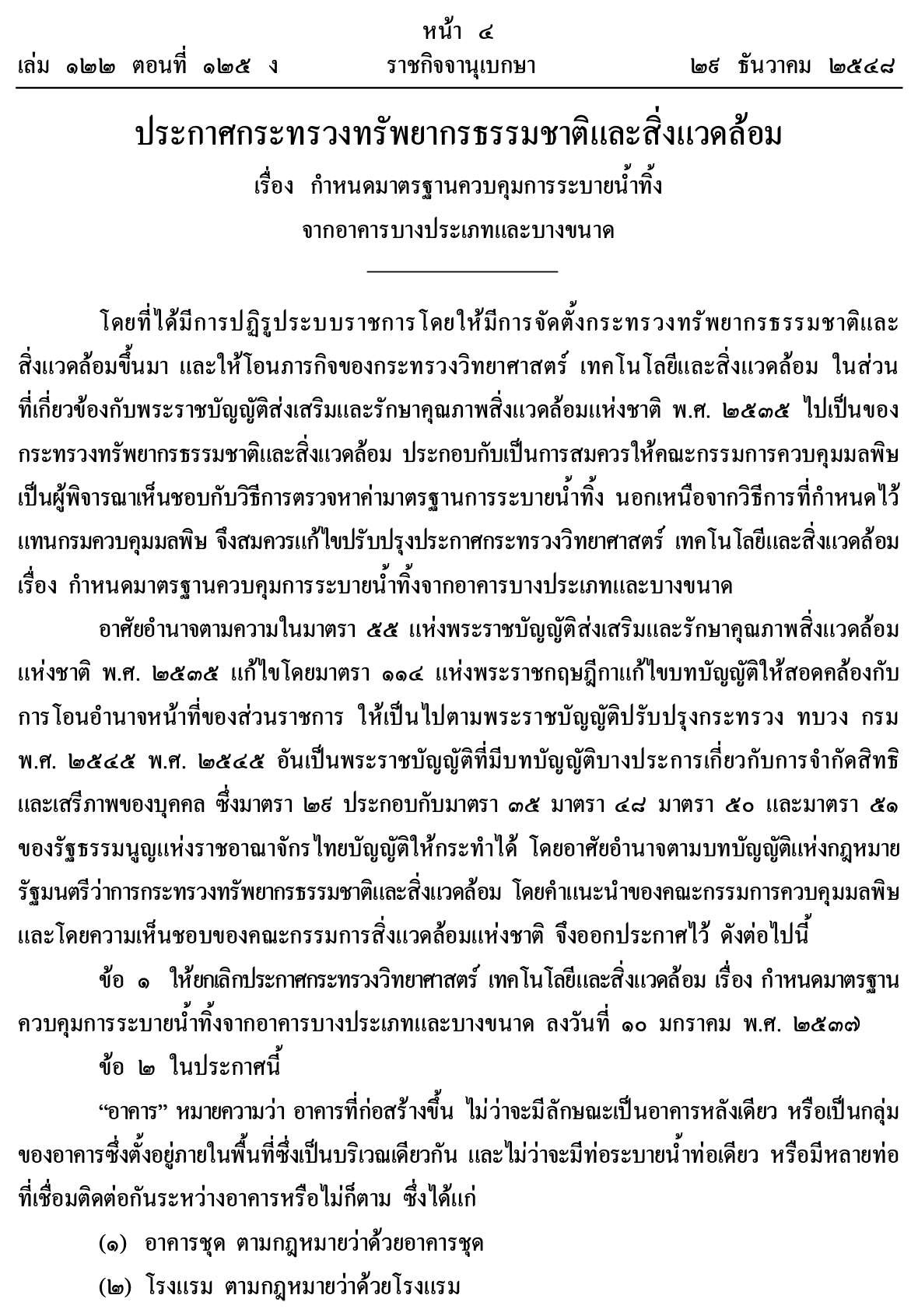
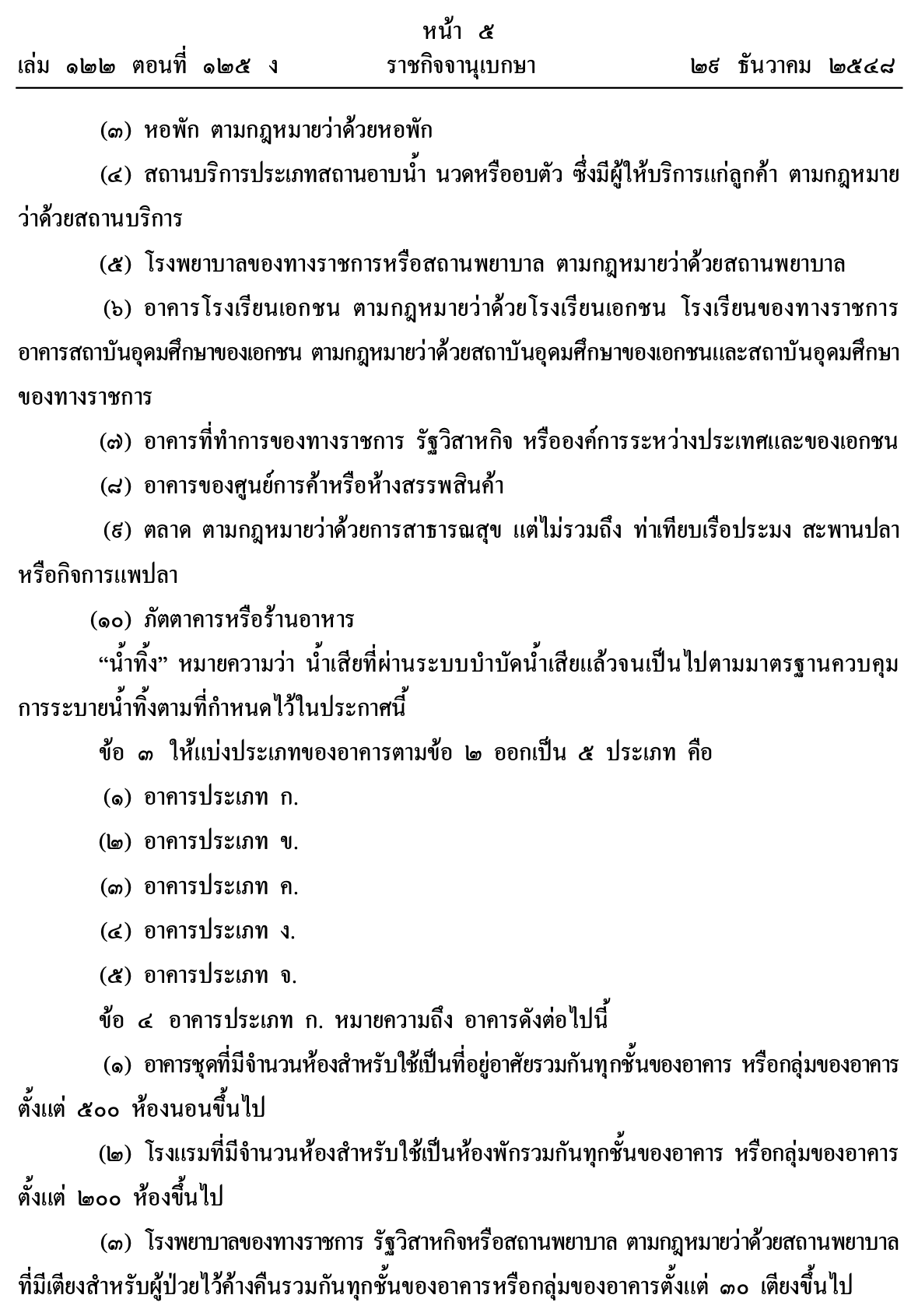
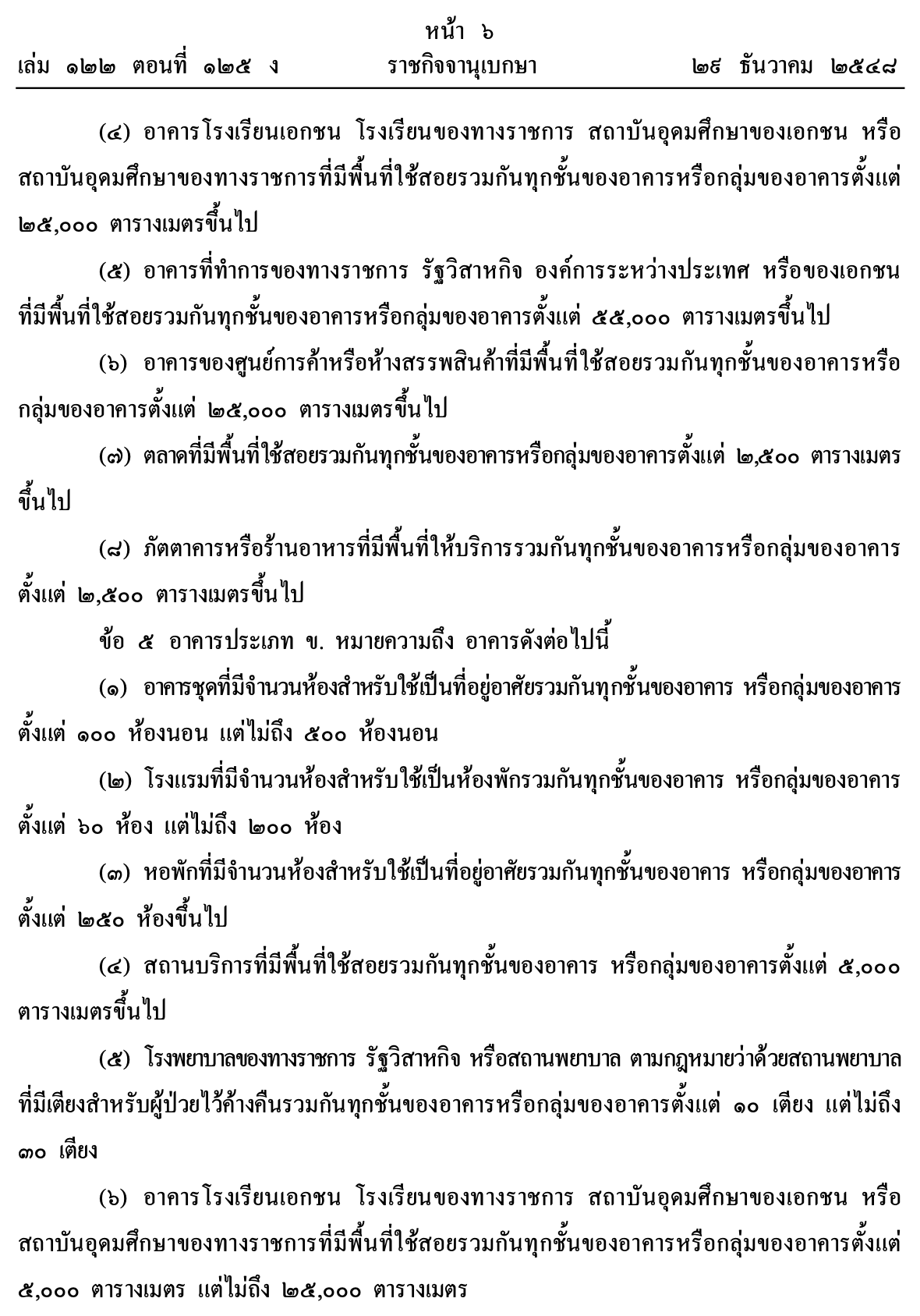
The standard controlling drainage from certain types and sizes of buildings